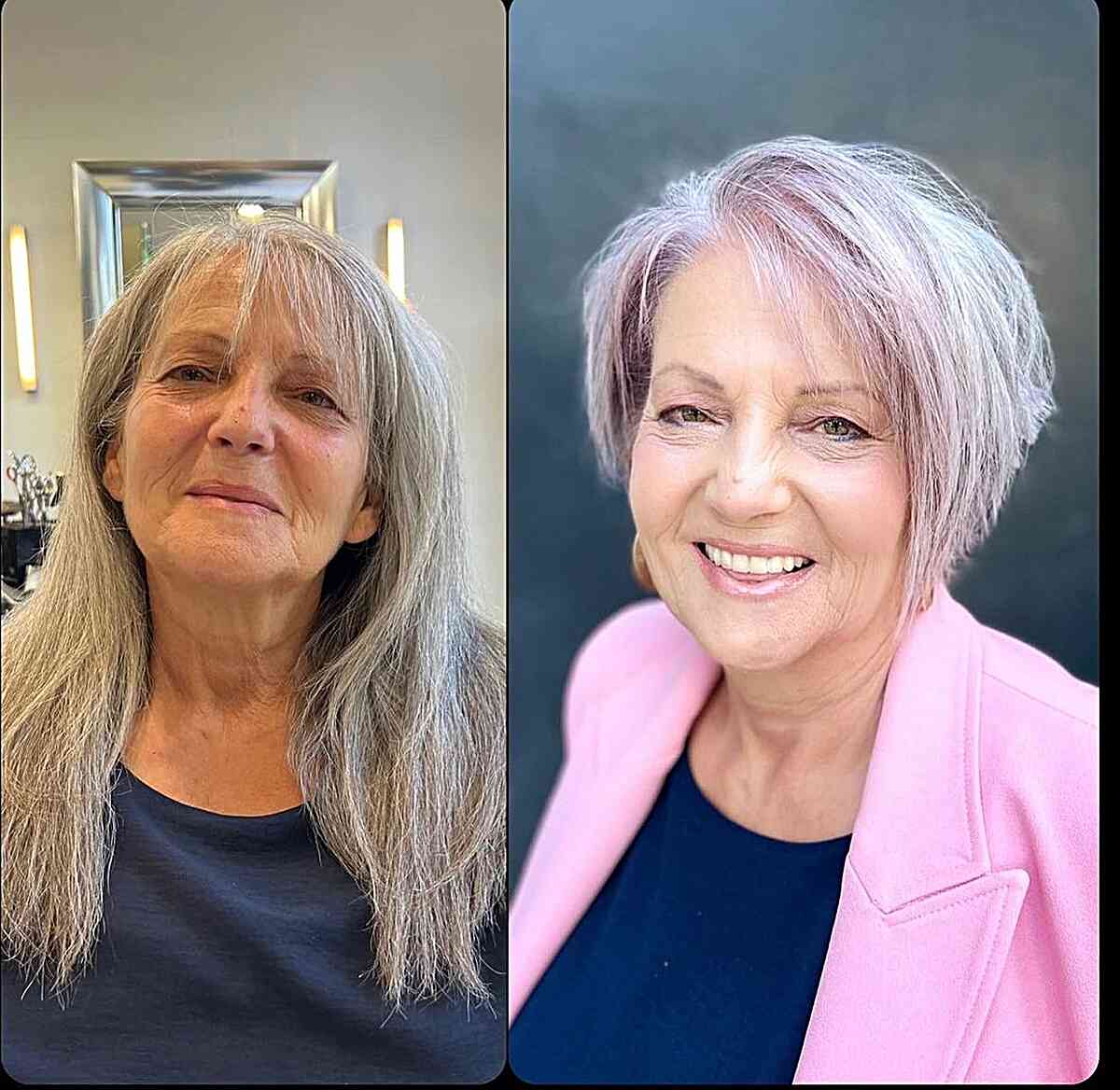

You know the unspoken thoughts that swirl when people notice an older woman’s hair—assumptions about length, color, texture, and whether she’s “trying” to look younger. This article pulls those whispered judgments into the open so you can see which ones are grounded in reality and which ones simply reflect outdated thinking. You’ll learn which common beliefs about mature hair are myths and which deserve a second look, so you can judge less and understand more.
Expect a look at practical concerns like manageability and thinning, cultural pressures about dye and trends, and why choices like long styles, shags, or embracing natural gray aren’t one-size-fits-all. The goal is to strip away stereotypes and show how personal preference, hair health, and modern cuts shape how older women wear their hair today.
1: Long hair isn’t always practical for older women but some still rock it confidently.
Long hair can feel heavy, require more upkeep, and show thinning or texture changes that come with age. Those practical downsides lead many to choose shorter, easier styles.
Still, plenty of women keep long hair by adjusting care and styling. They favor softer layers, regular trims, and lightweight products to add movement without bulk.
Lifestyle matters too — active schedules or humid climates make long hair less convenient. Yet others love the versatility and self-expression it provides, so they make it work.
Confidence plays a big role. When a woman feels good in her long hair, that confidence often outshines any practical inconvenience.
2: Many assume mature women should only have short haircuts, which isn’t true.
People often equate age with cropped styles because short cuts can feel low-maintenance and flattering for changing hair texture. That doesn’t mean long hair disappears as an option.
Some women keep long locks for personal style, cultural reasons, or simply because they enjoy it. Stylists note that long hair can be healthy and stylish at any age when cut and cared for correctly.
Thinning, dryness, and breakage are real concerns, but they’re manageable with targeted products and trims. Layering, lighter weights, and regular deep-conditioning make long styles look fresher and avoid a heavy, lifeless silhouette.
Society’s pressure toward shorter looks is more tradition than rule. Women can choose length that matches their lifestyle and aesthetic rather than what others expect.
3: The classic ‘granny haircut’ image is outdated and not what most older women want.
Many people still picture stiff perms, severe bangs, or shapeless cuts when they think of older women’s hair. That stereotype ignores the huge range of modern, low-maintenance styles that flatter aging faces and textures.
Most older women prefer cuts that add movement, volume, and ease. Short bobs, textured pixies, soft layers, and shoulder-length styles with face-framing pieces show up more often in salons than the dated looks people assume.
Growing interest in embracing natural grey and working with hair’s changing density has changed what “age-appropriate” looks like. Stylists recommend shapes that boost confidence and require simple upkeep rather than clinging to anything that reads as stereotypical or dated.
4: There’s a stereotype that silver or gray hair should be hidden or dyed
Many people assume gray hair signals decline or diminished attractiveness, so they pressure women to color it. That pressure comes from cultural norms and beauty industry messages that equate youth with worth.
Some women dye to avoid judgment; others stop because they enjoy the convenience or the look. Either choice is personal, not moral — and it rarely reflects the person’s health, vigor, or style sensibility.
Gray hair also carries mixed signals: some see wisdom and confidence, others see aging. Those conflicting views can make women second-guess how they present themselves and whether their natural hair will be accepted.
Conversations about gray hair are shifting as more public figures and everyday people embrace silver. The change shows attitudes can evolve, though old stereotypes still influence choices and reactions.
5: Older women often face pressure to avoid trendy styles, even if they want them.
Many people assume certain cuts, colors, or bangs are “too young,” and that pressure can steer women away from trying something new. She might want a bold bob or pastel highlights but hears cautious advice instead.
Stylists and friends sometimes offer protection rather than permission, suggesting safer options that feel more socially acceptable. That well-meaning caution can become a gatekeeper for personal expression.
Trendy doesn’t have to mean juvenile. A modern cut or unexpected color can be adapted to suit face shape, lifestyle, and maintenance needs so it looks polished instead of gimmicky.
When she chooses a trend, the focus should be on fit and confidence, not age rules. With thoughtful tweaks, contemporary styles can feel fresh, flattering, and entirely appropriate.
6: People think thinning hair means no style options, but cuts like the shag prove otherwise.
Many assume thin hair limits styling, but a well-cut shag creates texture and movement that fools the eye. Layers placed strategically add body without removing weight where it matters most.
The shag works at short and medium lengths, giving lift at the crown and softening the face. Textured ends and feathered layers break up flatness and make styling faster on busy mornings.
Stylist techniques like point-cutting and razoring add dimension without thinning the hair further. Light styling products—texturizing spray or a lightweight mousse—enhance the cut rather than weighing it down.
She can choose a longer fringe or choppy bangs to balance a high forehead or to add focus near the face. With the right cut and care, thinning hair still offers plenty of stylish, modern options.
7: Mature women are wrongly assumed to want to look like younger women with their hair.
People often assume older women chase youthful trends to hide age, but many choose styles that complement their current life and face shape. They pick cuts and colors for ease, confidence, and lifestyle — not to mimic a twenty-something.
Some embrace gray or silver because it feels authentic and low-maintenance. Others enjoy modern cuts that feel fresh without pretending to be younger.
Hair choices can reflect practicality: shorter styles for busy schedules, softer colors that require fewer touch-ups, or textured cuts that work with thinning hair. Those decisions are about comfort and self-expression rather than denial.
Assuming every mature woman wants a youthful look erases personal taste. Many value dignity, versatility, and what makes them feel like themselves over chasing a specific age.
8: Some think older women don’t care about their haircare routines, which is false.
People often assume aging equals apathy, but many older women invest time and thought into their haircare. They adapt routines to changing needs—adding moisture, gentler shampoos, or scalp treatments—to keep hair healthy and manageable.
Choices can shift from trend-chasing to maintenance and comfort. She might prioritize low-damage styling, regular trims, and products that address thinning or dryness rather than high-heat tools or heavy chemical processes.
Practical constraints also shape routines. Busy schedules, sensitive scalps, or budget concerns lead to smarter, not lazier, choices. What looks like “giving up” is often a deliberate, informed adjustment that preserves hair and confidence.
Breaking Myths About Older Women’s Hair
Many assumptions about older women’s hair come from habit, not evidence. People often conflate natural aging, hormone changes, and styling choices, which leads to misleading beliefs and unnecessary shame.
Challenging Outdated Stereotypes
People assume thinning automatically equals poor health or neglect, but genetics and menopause-driven hormonal shifts are the most common causes of female pattern hair loss. She may see wider part lines, reduced ponytail volume, or slower growth; these are biological patterns, not indicators of hygiene.
Some styling rules—like “short hair hides age” or “gray hair looks unprofessional”—ignore individual preference and modern trends. Bold colors, layered cuts, and textured styles can add volume and modernity without masking age. Practical tips that matter: avoid daily high-heat styling, use a gentle sulfate-free shampoo, and add a volumizing mousse or low-heat dryer technique to lift roots.
How Media Shapes Perceptions
Advertising and film often highlight youth-oriented hair: thick, shiny, and long, which skews expectations. Casting choices and retouching push a narrow beauty standard that excludes common aging patterns like gray strands or finer texture.
Social media exacerbates this by promoting treat-all solutions and viral “fixes” that lack clinical backing. Reliable signals to trust instead: dermatologist- or trichologist-backed advice, evidence-based treatments (minoxidil for pattern thinning), and hairstylists who specialize in mature hair. Practical representation—diverse ages, textures, and realistic styling—helps people see options rather than flaws.
Caring For Mature Hair
Mature hair needs gentler routines and smart product choices to stay strong and look alive. Small changes in cleansing, conditioning, styling, and protection make the biggest visible difference.
Texture And Thickness Changes
Hair often becomes finer and less dense with age because follicles shrink and growth cycles shorten. They should switch to volumizing shampoos that are sulfate-free and lightweight conditioners that won’t weigh hair down. Weekly protein treatments can help temporarily strengthen fragile strands, but they should avoid overdoing protein if hair feels stiff.
Scalp care matters. Dry or irritated scalps reduce hair quality, so gentle exfoliation or a moisturizing scalp serum once a week helps circulation and follicle health. When styling, they should use low-heat tools, heat protectant sprays, and wide-tooth combs to limit breakage. Shorter, layered cuts also create the appearance of thicker hair without heavy styling.
Color And Shine Considerations
Gray and silver hair reflects light differently and can look dull if neglected. Purple or blue toning shampoos neutralize yellowing and keep silver crisp; use them once a week depending on brassiness. For colored hair, frequent touch-ups and bond-repairing color systems help preserve vibrancy without stripping moisture.
To add shine, they should use lightweight oils (argan, marula) sparingly on mid-lengths and ends, not roots. Regular trims remove porous ends that scatter light, and gloss treatments or demi-permanent color add surface smoothness. Sun protection matters too: UV sprays or hats prevent color fading and protein damage from prolonged sun exposure.