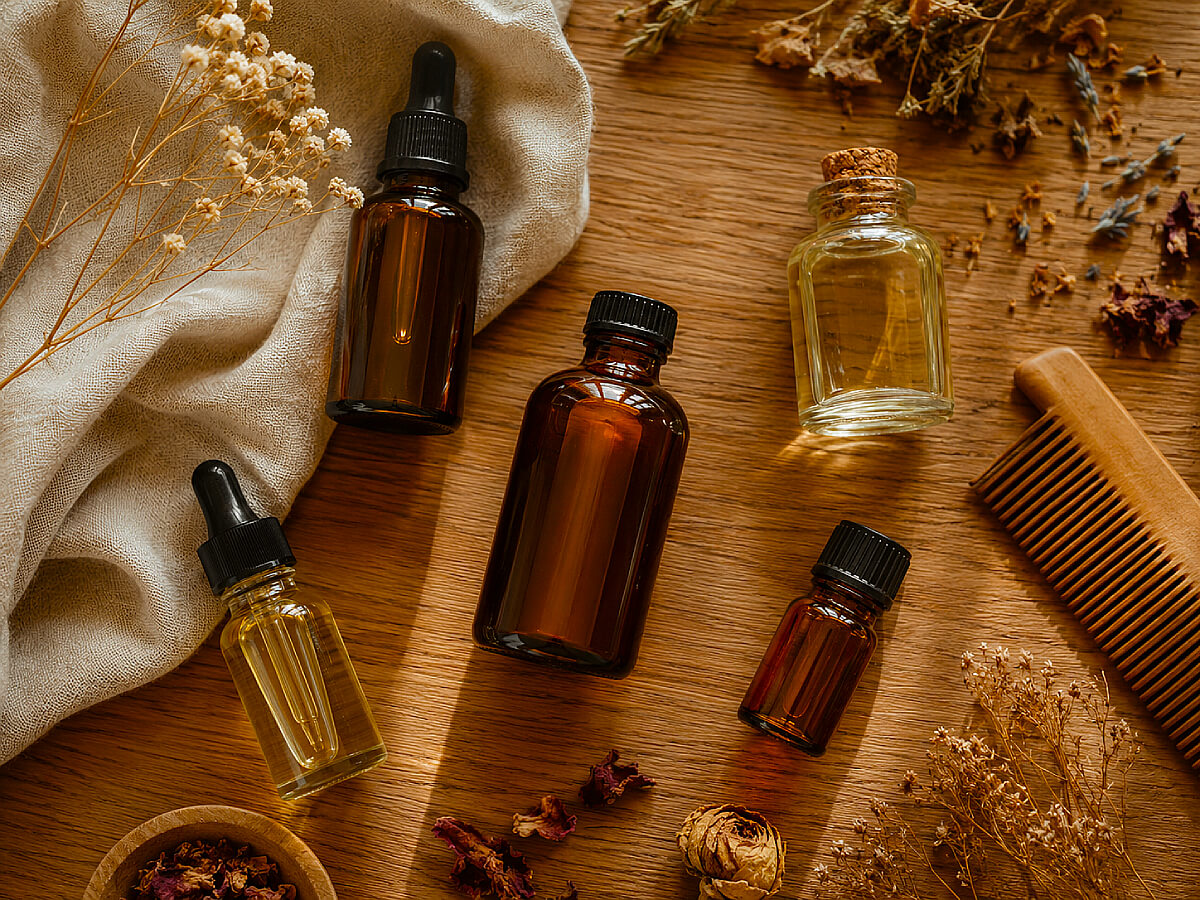

“I’ve been down the rabbit hole on hair oils and I’m completely overwhelmed. There are so many options at different price points and I genuinely don’t know where to start. My hair is fine but there’s a lot of it, and it gets frizzy in humidity but also feels dry. Help!”
— Deborah Kinsley, Boise, Idaho
Deborah, a lot of people feel the same way. I have had this exact conversation more times than I can count, standing at the shampoo bowl or finishing up a blowout, and someone holds up their phone with like fourteen browser tabs open comparing oils and just looks at me with that exhausted face. The hair oil market has genuinely exploded in the last few years, and not all of it is useful noise but a lot of it is.
Here’s the thing about hair oils that most people don’t realize: the question isn’t really “which oil is best” in some universal sense, it’s which oil does what you actually need it to do, on the hair type you actually have. I’ve watched women with fine hair drown their strands in argan oil because a magazine called it a miracle, and I’ve watched women with thick coily hair reach for something too lightweight and wonder why nothing changed. The oil has to match the job. So that’s what we’re doing here, going through the most useful options in order of how often I think most women actually need them, building up to the one I genuinely recommend most often across the board.
This post may contain affiliate links, meaning I may earn a small commission at no extra cost to you. I only share products I truly believe in. As an Amazon Associate, I earn from qualifying purchases. Your support helps me continue creating free content like this.
8. Castor Oil, Which Is Incredible But Also a Lot
I want to be honest with you about castor oil right out of the gate: I love what it does, and I find it genuinely annoying to work with. It is thick, it is sticky, it does not play well with fine hair or impatient people, and if you use too much of it you will spend the next two washes trying to get it out. But here’s why it made the list, because for scalp health and for edges and for areas where you’ve noticed some thinning, there is really nothing else quite like it.
Castor oil is extremely high in ricinoleic acid, which has anti-inflammatory properties and is thought to improve circulation at the scalp level. There’s not a mountain of clinical research to point to, but I’ll tell you what I’ve seen over years of working with clients: women who use a small amount of castor oil on their scalp consistently, not every day but a few times a week, often see real improvement in density over a few months. One of my longtime clients in her mid-sixties had a significant amount of thinning along her temples, and after about four months of using Jamaican Black Castor Oil a couple of times a week, the difference was visible enough that she brought in a before photo to show me. That stuck with me.
The key is using it sparingly and focusing it where you want it, not coating your lengths in it like a conditioner. You can mix it with a lighter oil like jojoba to make it easier to apply and distribute. Tropic Isle Living Jamaican Black Castor Oil is the one I recommend most often. It’s not glamorous. It doesn’t smell like a spa. It just works for a lot of people, and for scalp and edge care specifically, it belongs in the conversation.
7. Sweet Almond Oil for When Your Scalp Is Being Difficult
Sweet almond oil doesn’t get nearly the attention it deserves, probably because it’s not exotic-sounding enough to justify a big marketing push. But it is genuinely one of the gentler, more versatile oils I come back to for clients who are dealing with scalp sensitivity, flakiness, or that tight dry feeling that sometimes shows up in winter especially. It absorbs reasonably well, it’s not heavy, and it has a very mild scent which matters more than people think when you’re wearing it on your head all day.
What makes sweet almond oil interesting is that it has a decent amount of vitamin E and oleic acid, which means it works as both a light moisturizer and a softener without sitting on top of the hair like a coating. For women with color-treated hair, which let’s be honest is most of the women I see, anything that adds back some moisture without weighing the hair down is worth paying attention to. Color processing is drying by nature, and the scalp often gets forgotten in the moisturizing conversation because everyone’s focused on the ends.
I’ll use sweet almond oil as a pre-shampoo scalp massage oil, warming it slightly between my palms and working it into the scalp about twenty minutes before washing. Some clients do this weekly and it’s become a little ritual for them, which I actually think has its own benefit just in terms of scalp circulation and stress. You can find it in pure form pretty easily, Now Solutions Sweet Almond Oil is affordable and consistently good quality. Nothing fancy, just a reliable, underrated option that earns its spot in a hair care routine.
6. Jojoba Oil Because It’s Actually Not an Oil
Technically jojoba is a liquid wax, not an oil, which sounds like a fun fact that doesn’t matter until you understand why it behaves so differently from everything else on this list. Because its molecular structure is so similar to the sebum your scalp naturally produces, it doesn’t just sit on the surface of the hair, it actually integrates with the natural oils already there, which means it’s almost impossible to over-apply in the way you can with, say, coconut oil or castor oil. This also makes it one of the few options that works reasonably well on fine hair without immediately making it look flat.
Deborah mentioned that her hair is fine but there’s a lot of it, which is actually a tricky combination because you want to moisturize without flattening, and jojoba handles that balance better than most. I’ve used it on clients with similar hair types as a light pre-style treatment, just a few drops worked through damp hair before blow-drying, and it adds a really nice smoothness without any of that weighed-down feeling you get when you’ve used something too heavy. It also layers well under other products, so if you’re using a heat protectant or a leave-in, jojoba won’t fight with them.
For scalp issues like excess oil or dandruff it’s also surprisingly useful, which sounds counterintuitive. But because it so closely mimics sebum, applying it to an oily scalp can actually signal the scalp to produce less of its own oil over time. I wouldn’t say that’s a guarantee, but I’ve had clients with chronically oily roots try it and report that their wash day cycle stretched out after a while. Desert Essence Jojoba Oil is a solid choice and reasonably priced for the quality. Worth keeping around.
5. Rosehip Oil for Color-Treated and Aging Hair
Rosehip oil is one I came to later than I should have. I’d been recommending it for skin for years before I really thought about what it could do for hair, and when I finally started playing with it more intentionally, I was genuinely surprised. It is very high in essential fatty acids, specifically linoleic and linolenic acid, and it has a meaningful amount of vitamin A, all of which matter for hair that’s been through a lot of chemical processing or that’s starting to show the kind of texture changes that come with hormonal shifts in midlife.
Here’s something I notice a lot in my chair: women in their late forties and fifties start describing their hair differently than they used to. They say it feels more straw-like, or that it’s lost that natural shine it used to have, or that it breaks more easily especially around the face. Some of this is hormonal, some is cumulative damage, some is just the natural change in the hair’s fatty acid composition over time. Rosehip oil directly addresses some of that by replenishing lipids that have been stripped or that the hair is producing less of on its own. It’s not a miracle, but it’s a genuinely smart ingredient for this particular concern.
I tend to recommend it as part of a weekly treatment rather than a daily oil, just because it’s a little richer and more expensive than your everyday option. Warm a few drops in your palms, smooth it through dry or damp mid-lengths and ends, leave it on for at least thirty minutes, then shampoo once. Trilogy Certified Organic Rosehip Treatment Oil is the one I keep reaching for. It smells beautiful, absorbs well, and the quality is consistent. For anyone dealing with color damage or that mid-life texture shift, this is worth trying seriously.
4. Marula Oil for Frizz and Humidity Without the Heaviness
Marula oil has a bit of a reputation now thanks to a few big brands picking it up, but I think it’s actually earned that attention rather than just riding a trend. It comes from the kernels of the marula fruit, it’s very high in oleic acid, and it has an unusually small molecular structure for an oil that rich, which means it absorbs into the hair shaft rather than just coating it. For frizz management, particularly the kind of frizz that’s triggered by humidity, this absorption quality is kind of everything.
Deborah mentioned humidity frizz specifically, which tells me her hair is lifting its cuticle in response to moisture in the air. What you want in that situation is something that seals the cuticle without weighing the hair down or making it look greasy, and that is a harder balance to find than it sounds. A lot of oils that are heavy enough to actually block humidity are too heavy for daily use on anything but very coarse or very thick hair. Marula hits a different spot. It’s rich enough to be effective without that coating feeling, and I’ve used it on fine-to-medium hair in Florida in August, which if you’ve ever experienced that particular climate, you know is a real test.
I’ll smooth two or three drops over finished dry hair before a client walks out if I know it’s raining or humid out. It adds just enough weight to keep everything calm without flattening the style. Drunk Elephant Virgin Marula Luxury Facial Oil is mostly marketed for skin but works beautifully on hair ends and I’ve been using it that way for years. There are also dedicated hair versions from brands like OGX Renewing Marula Oil that are more budget-friendly and designed for hair specifically. Both are worth having depending on what you’re working with.
3. Coconut Oil, But Not the Way You’ve Been Using It
Oh, coconut oil. I have complicated feelings. I’ve been watching coconut oil go in and out of fashion in the hair world for probably fifteen years, and what I’ve come to is this: it is genuinely one of the most effective oils for certain hair types and absolutely the wrong choice for others, and the problem is that nobody ever qualifies that recommendation. They just say “coconut oil” like it’s good for everyone and move on.
Coconut oil is one of the few oils that can actually penetrate the hair shaft rather than just sitting on the surface, and it does this because of its high lauric acid content and relatively small molecule. For coarse, thick, high-porosity hair, this is extraordinary. It can reduce protein loss, deeply condition the strand from the inside, and protect against damage from washing and heat. For fine or low-porosity hair, though, it can build up inside the strand over time and make hair feel stiff, brittle, and weirdly heavy all at once. I have seen women with fine hair swear by it and I have seen women with fine hair completely wreck their hair texture over a few months of using it. It depends on your hair’s porosity and protein balance.
If you want to try it, use it as a pre-shampoo treatment, not as a leave-in, and use it on your mid-lengths and ends only. Keep it away from your scalp if you’re at all prone to buildup or breakouts along your hairline. Virgin unrefined coconut oil is what you want, not the refined kind. Viva Naturals Organic Extra Virgin Coconut Oil is consistently good quality. But please, know your hair type before committing to this one as a regular thing.
2. Squalane for the Woman Who Thinks She Hates Hair Oils
Every few months I have a client tell me they’ve tried oils and they always make their hair greasy or flat, and nine times out of ten when I ask what they tried, the answer is argan oil or coconut oil, which are both excellent but not exactly the most forgiving options for someone who hasn’t quite dialed in how to use an oil yet. Squalane is what I tell those clients to try next, and it has genuinely converted some lifelong oil skeptics.
Originally derived from shark liver, now almost universally sourced from olives or sugarcane, squalane has an incredibly lightweight feel that kind of defies how functional it actually is. It mimics the skin and scalp’s natural oils closely, similar to jojoba but even lighter in weight and feel, and it provides meaningful moisture and frizz control without any of the heaviness. It’s also extremely stable, meaning it won’t go rancid quickly, and it works at every stage of styling, before, during, or after, which makes it forgiving and flexible to use.
I’ve started recommending it especially to clients with fine hair who still need humidity protection and some frizz management, because squalane gives you a real benefit without requiring much precision in application. If you use one drop too many with argan oil, you look like you didn’t wash your hair. If you use one drop too many with squalane, you just… look a little more polished. The Ordinary 100% Plant-Derived Squalane is inexpensive, pure, and one of the most quietly useful things you can have in your bathroom. I genuinely think more women should know about this one.
1. Argan Oil, and Here’s Why It’s Still the One
I know, I know. Argan oil has been talked about so much that it almost sounds boring at this point, and I get why someone reading this might roll their eyes a little. But I’ve been doing this work for a long time, and when I think about which single oil I would recommend to the widest range of women, including Deborah with her fine-but-plentiful frizzy hair, the answer keeps coming back to genuine, high-quality argan oil. Not because it’s trendy, but because it is one of the most balanced oils in terms of what it does and how it behaves across different hair types.
Argan oil is rich in oleic and linoleic acid, it has a good amount of vitamin E, and its molecular weight hits a sweet spot where it’s substantial enough to smooth the cuticle and protect against humidity but not so heavy that it immediately flattens fine strands. I’ve used it on hair that was chemically straightened and hair that was naturally curly and hair that was color-lifted to within an inch of its life, and in all those cases, a small amount of good argan oil made a real visible difference in shine, smoothness, and how the style held through the day. Very few other single ingredients can claim that range.
The reason I put this at number one is also partly practical: it’s the oil that most women can use correctly without a lot of guidance. You don’t need to worry about porosity the way you do with coconut oil, you don’t need to think about protein balance, you don’t need to apply it to the scalp specifically or avoid the scalp specifically. Two to four drops, worked through damp hair before drying, or smoothed over dry hair at the end as a finisher, and you’re done. It’s genuinely that low-effort for a genuinely good result.
Now here’s where I will get a little opinionated: the quality of argan oil varies enormously by brand, and some of what’s being sold under that label is diluted or mixed with silicones, which aren’t bad exactly but they’re not the same thing. You want cold-pressed, 100% pure argan oil if you’re buying it on its own. Moroccanoil Treatment Original is the one I’ve used in the salon for years and it is very good, though it does contain a few additional ingredients beyond pure oil. If you want something closer to pure, ArtNaturals 100% Pure Argan Oil is a solid option at a much lower price point. For Deborah’s specific situation, fine hair plus humidity frizz plus that dry feeling underneath, I would start here, use less than you think you need, and adjust from there.
So Which One Is Actually Right for You?
Here’s my honest take after all of that: most women need maybe two oils in their routine, not eight. One that addresses your specific hair concern directly, whether that’s frizz, dryness, scalp health, or damage from color, and one lightweight everyday option that layers easily over everything else. For a lot of women, that second one is squalane or jojoba, and the first one depends on exactly what you’re working with.
Deborah, for your particular combination, I’d try argan oil as your main product, a small amount through damp hair before drying, and if you’re dealing with scalp dryness or any thinning, add a weekly jojoba or castor oil scalp massage on top of that. That’s genuinely all you need to start. You don’t need a shelf full of oils, you need the right one used consistently.
If you’re ever unsure about your hair’s porosity or whether you’re dealing with protein overload or moisture imbalance, those things genuinely change what oils are going to work best for you, and a stylist you trust can help you figure that out pretty quickly just by feeling your hair. Bring your current products with you to your next appointment. Most of us love talking through this stuff, it’s kind of the best part of the job.