Your Hair Questions Answered by an Experience Hairstylist
Here, you’ll find some of our best hair advice and tips from our team of expert hairstylists and barbers. They’re devoted to helping you achieve and maintain gorgeous locks. Have a hair question? Email it to: questions@latest-hairstyles.com with the subject line: Here is my hair question
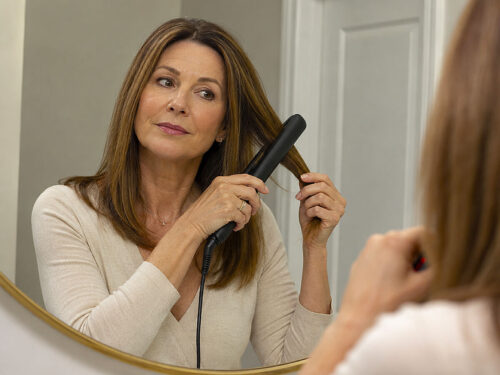
Women over 50, here's what no one told you about heat styling aging hair. A hairstylist breaks down the 5 most important things to know before picking up your flat iron or blow dryer, including the temperature mistakes, heat protectant errors, and recovery habits that make the biggest difference for fine, thinning, or dry mature hair.
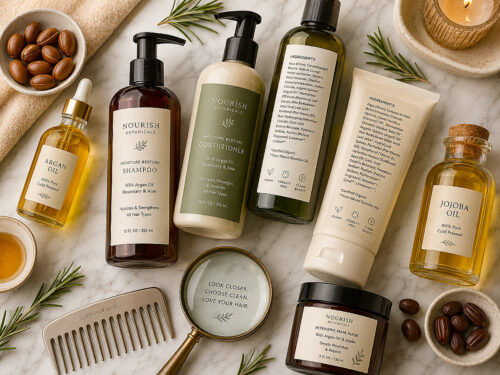
Older women, stop using these 7 hair product ingredients that cause dryness, breakage, and scalp irritation. A hairstylist breaks down what to avoid and what to use instead.
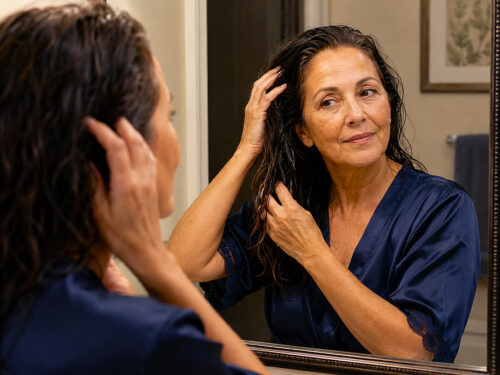
If your tresses feel rough and brittle after 50, you'll love these 3 beauty picks that help bring back softness, shine, and smooth styling without the fuss.
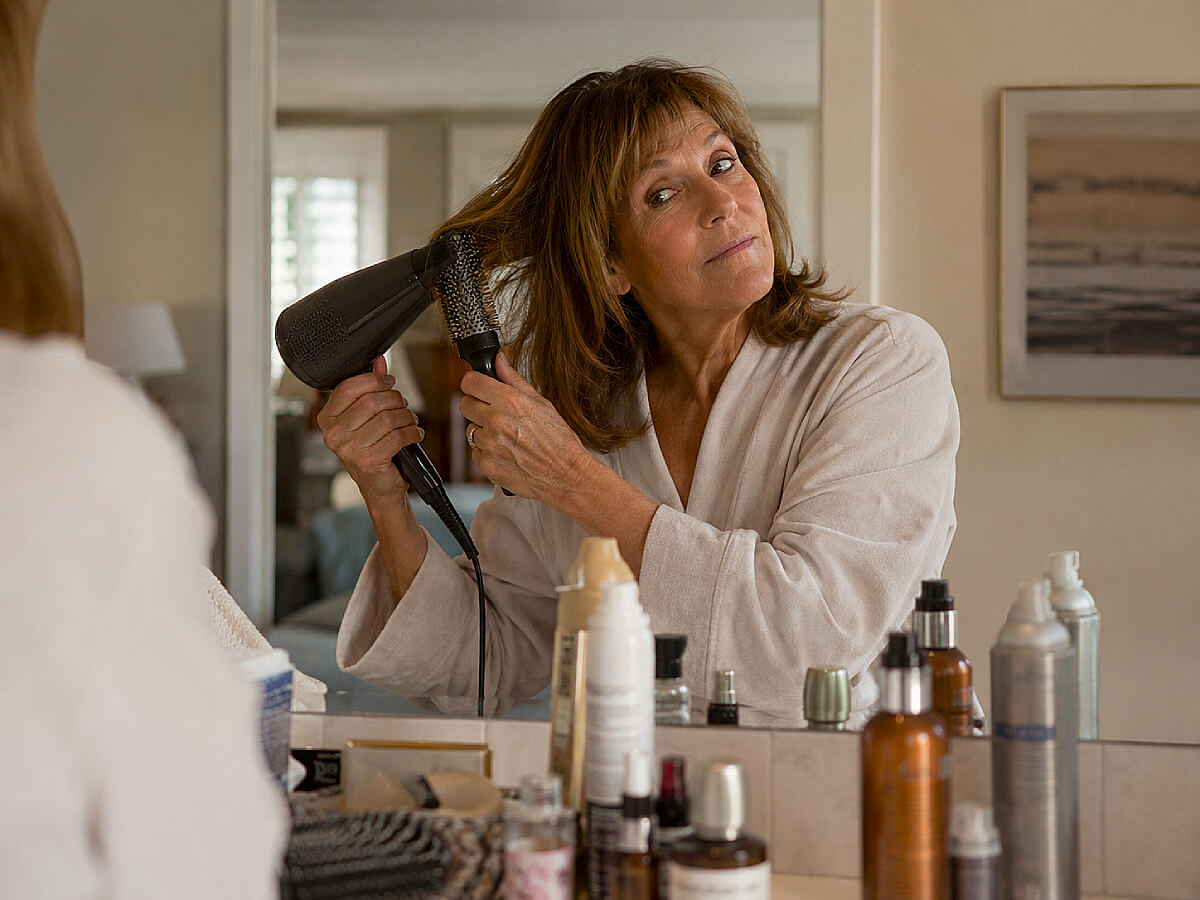
Find out why your hair goes flat by 10am no matter what products you use, and get real, specific fixes from an experienced stylist covering everything from blow dry technique and product buildup to hair thinning and scalp health.
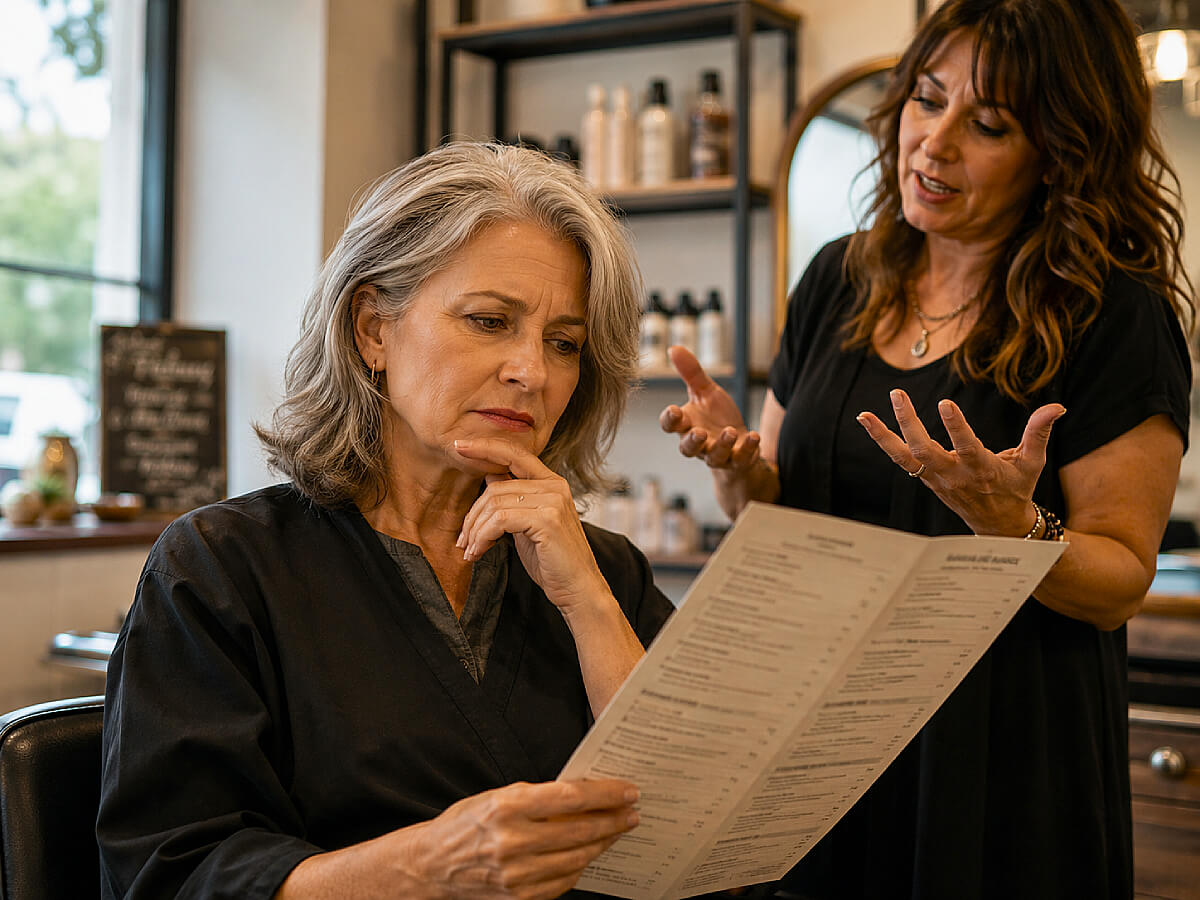
Spending hundreds on salon hair treatments that aren't working? A professional stylist breaks down 5 overpriced hair treatments women over 50 should skip, and what to try instead.
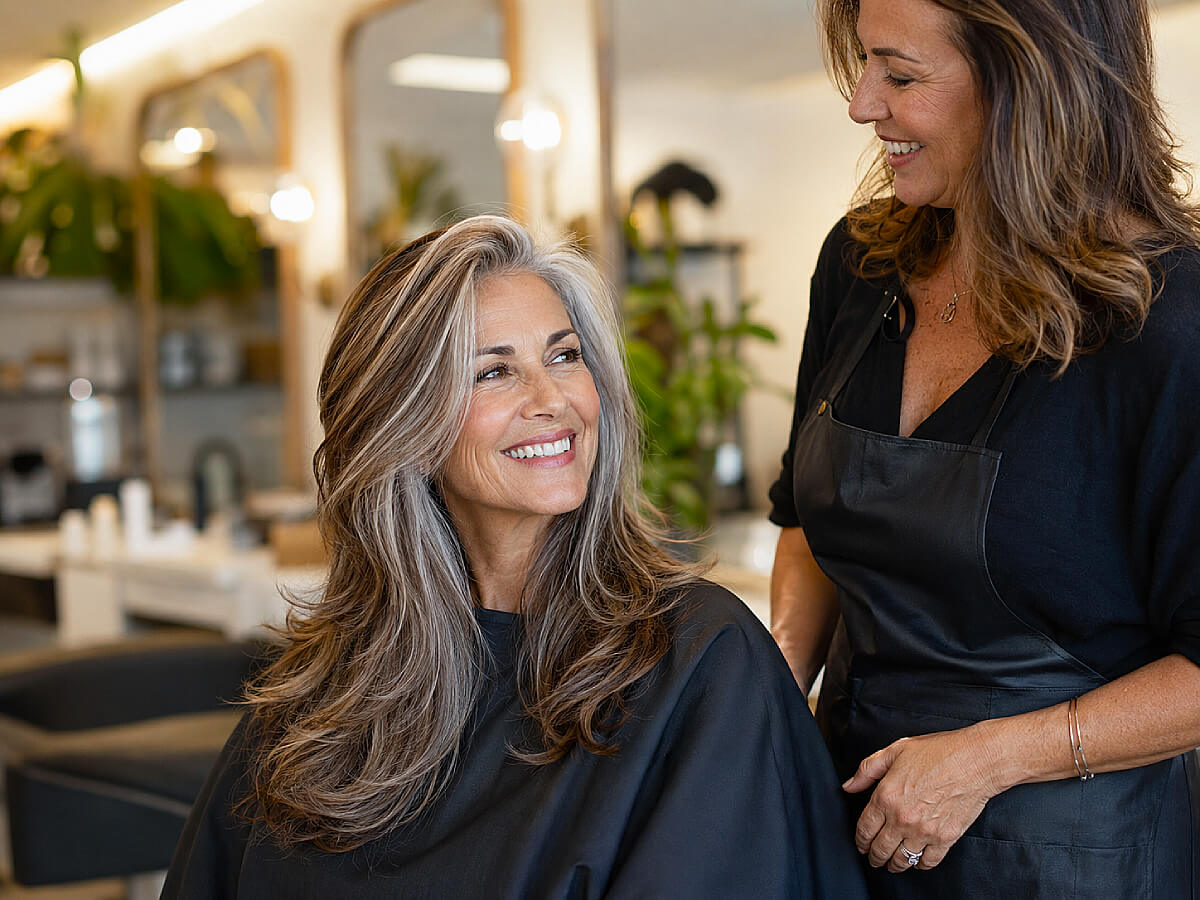
A hairstylist shares the 8 real things women over 50 are doing to keep their hair looking genuinely beautiful, from scalp care to the right cuts, supplements, and products that actually work.
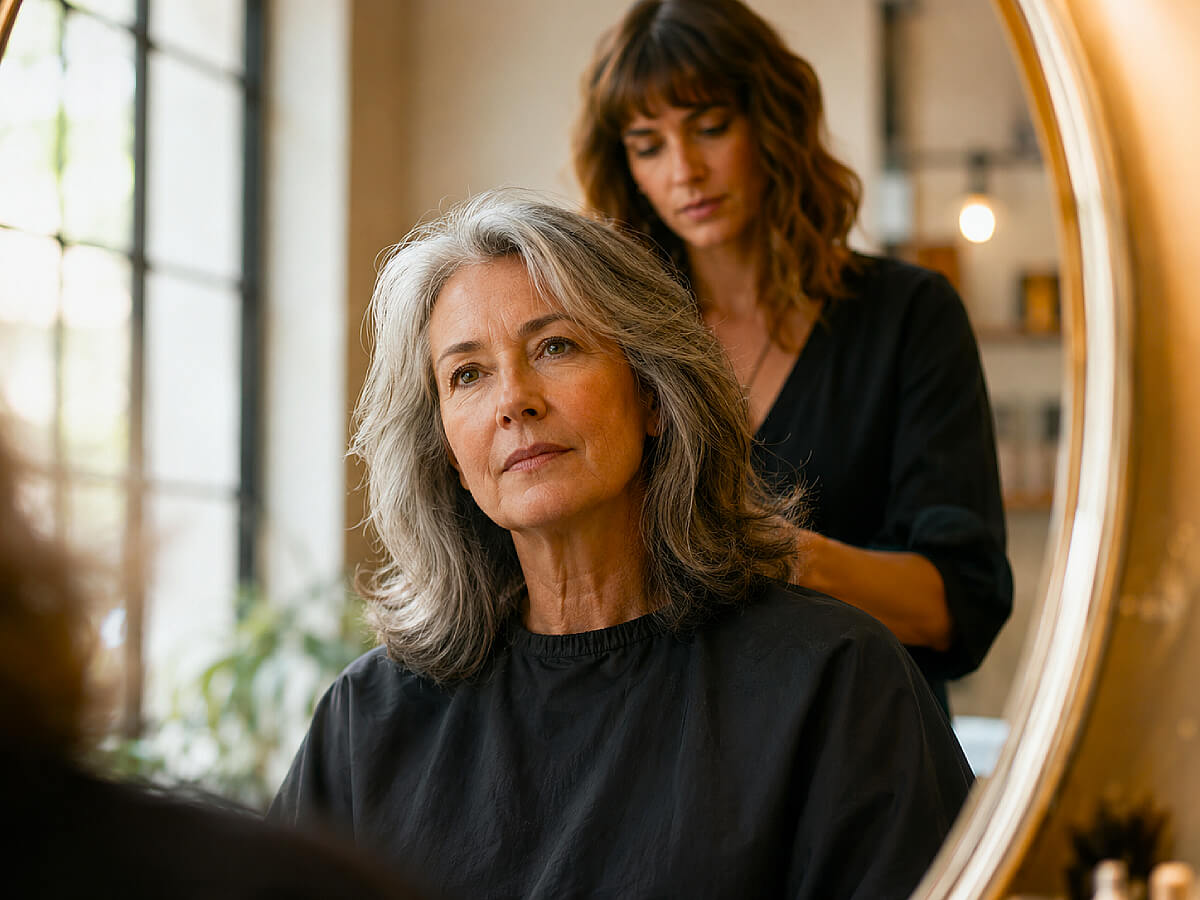
Wondering if it's time to break up with your hairstylist? Here are 7 honest signs your current stylist might no longer be the right fit, even if you've been going for years.
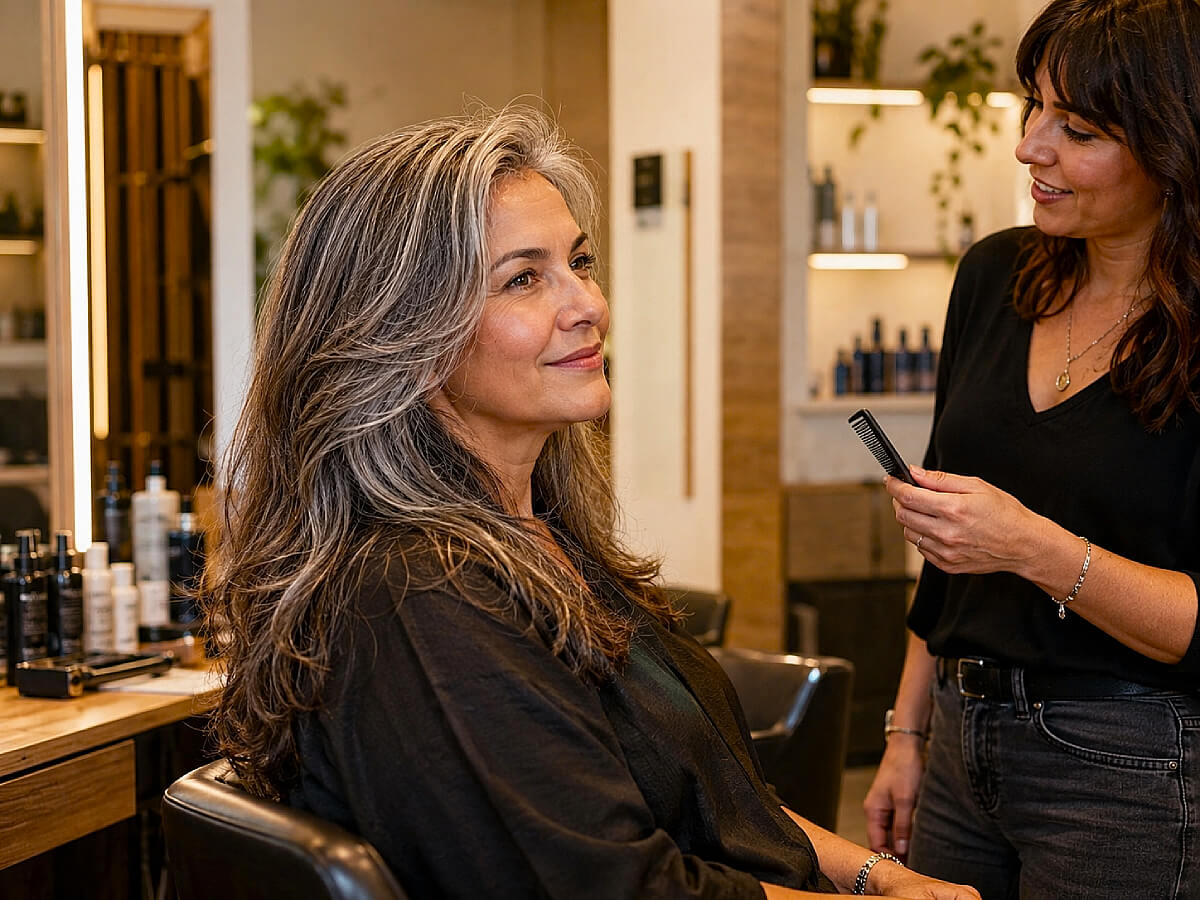
Hairstylists make quiet assumptions about women over 50, and most clients never hear about them. A seasoned stylist breaks down the 6 most common ones, what they actually mean for your hair, and how to make sure your next salon visit goes the way you want it to.
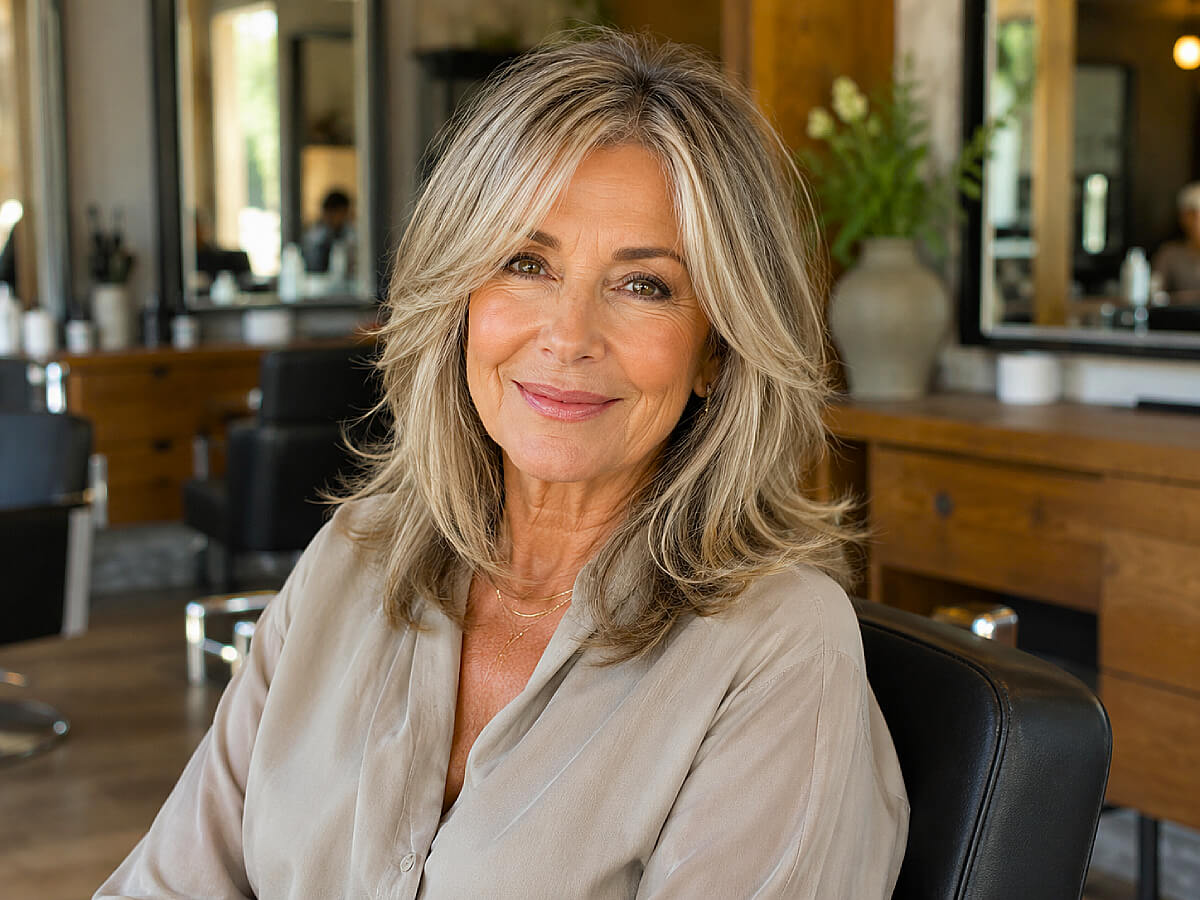
Discover the 7 most common hair mistakes older women make without realizing it, from the wrong hair color for aging skin to heat damage on fragile strands. A senior stylist breaks it all down with real product recommendations and honest advice.
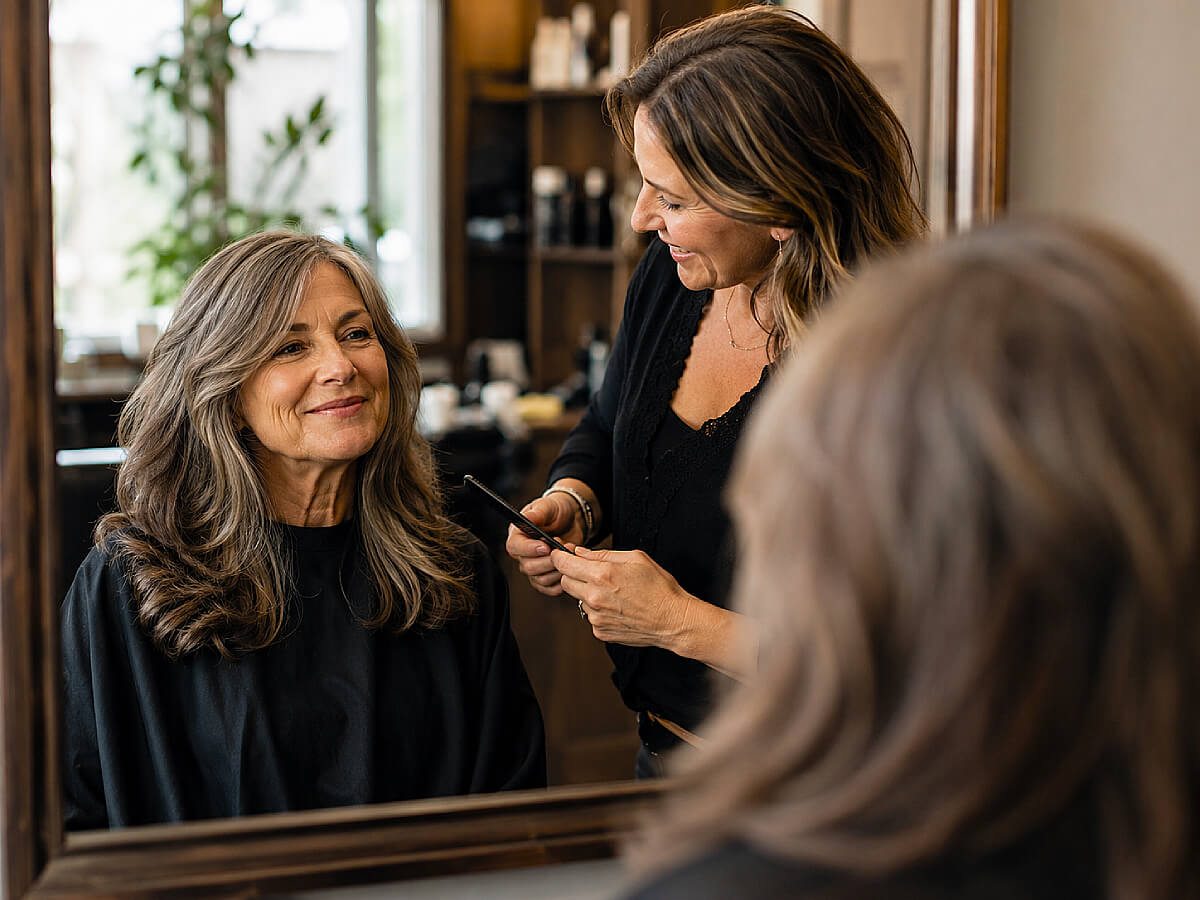
Hair loss, flatness, and dullness after 60 aren't inevitable. An experienced stylist shares the 7 real reasons women's hair changes after 60 and the most overlooked fix that actually works.
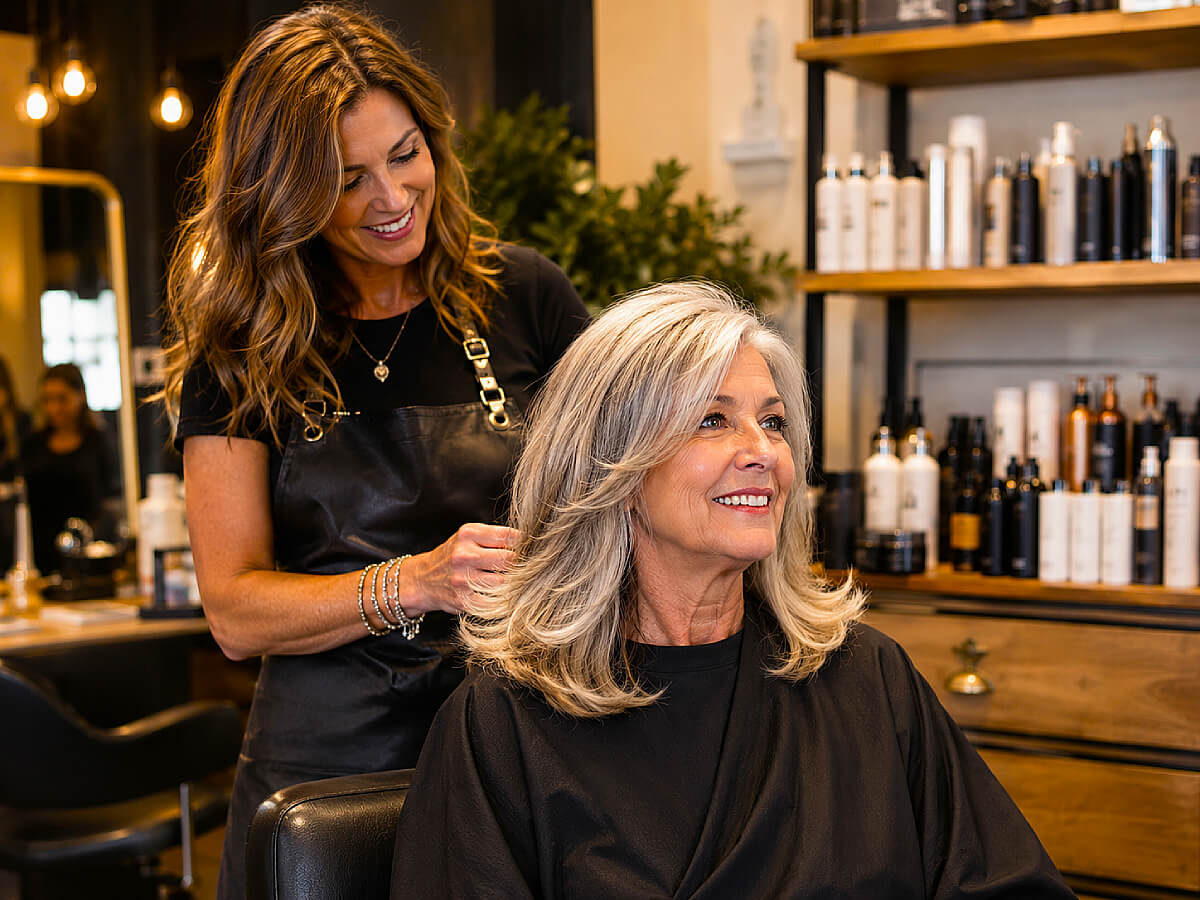
Wondering why your hair feels flat and dull after 60? A veteran stylist reveals the one salon service women in their 60s keep skipping, plus 6 others worth knowing about, with honest product picks and real client stories.
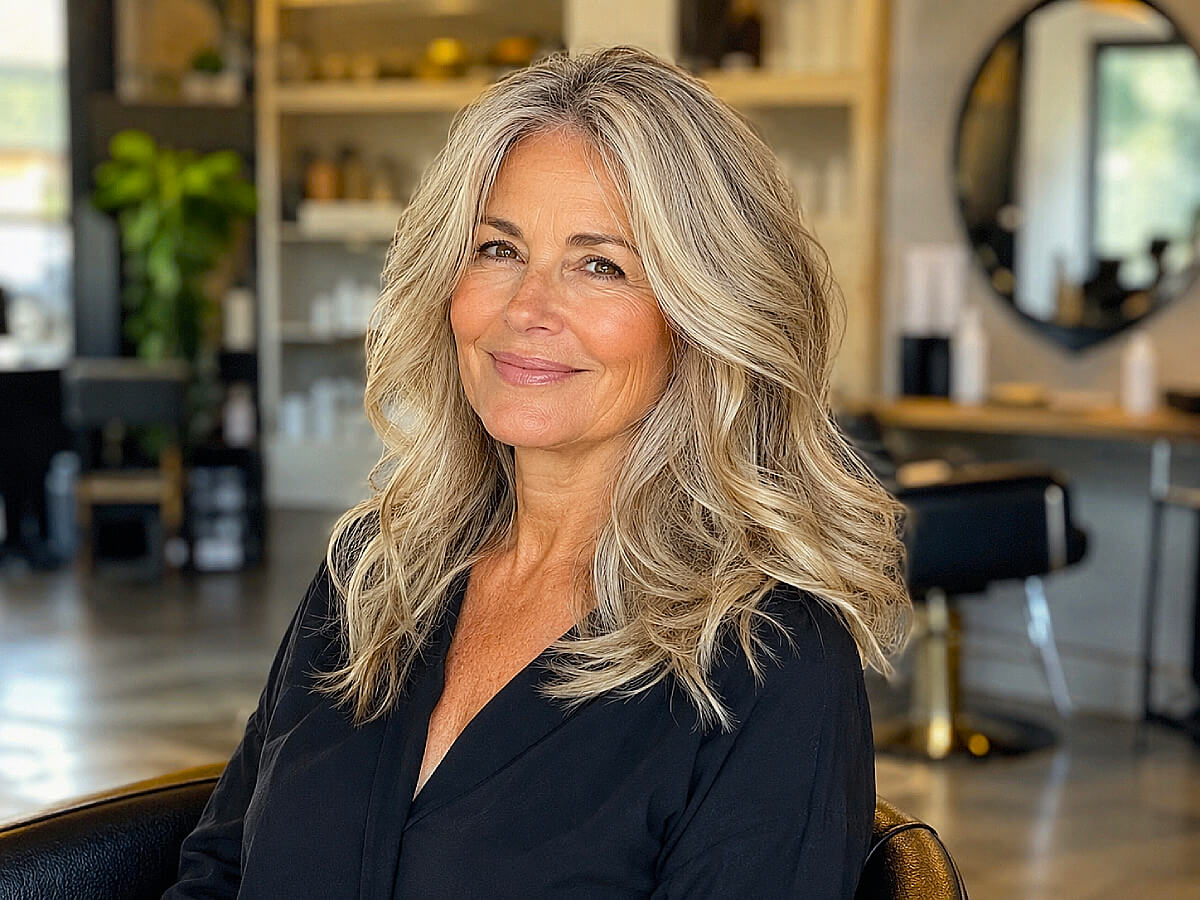
Women in their 60s share what they wish they had known about hair in their 50s. A veteran hairstylist covers hormonal hair loss, texture changes, color strategy, scalp health, and the products that actually work for midlife hair.
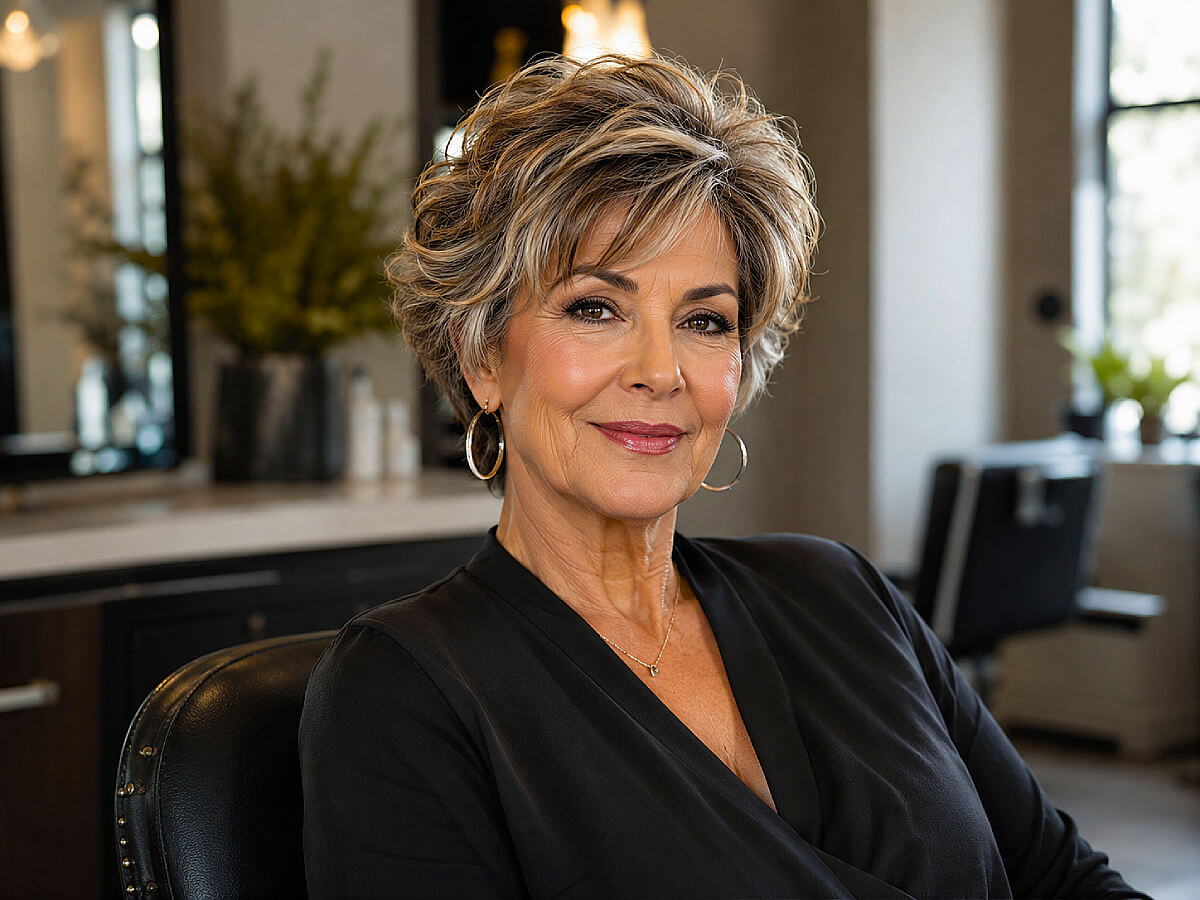
Losing hair volume after 50? An experienced hairstylist shares 9 honest truths about why aging hair goes flat, what actually works, and the real reasons your current routine isn't cutting it.
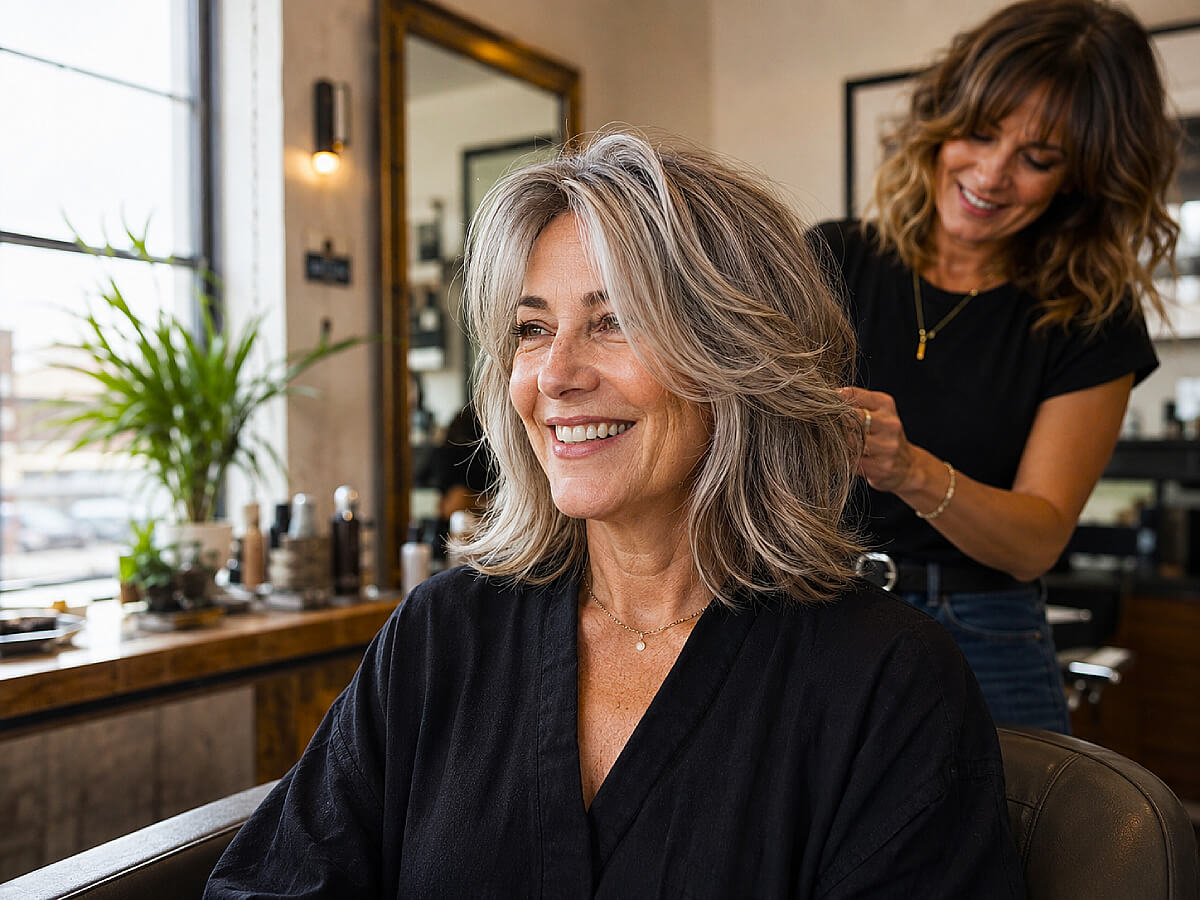
Your hair changes dramatically in your 50s and most women are never told why. A veteran hairstylist breaks down exactly what's happening with texture, thinning, gray hair, and more, plus what actually helps.
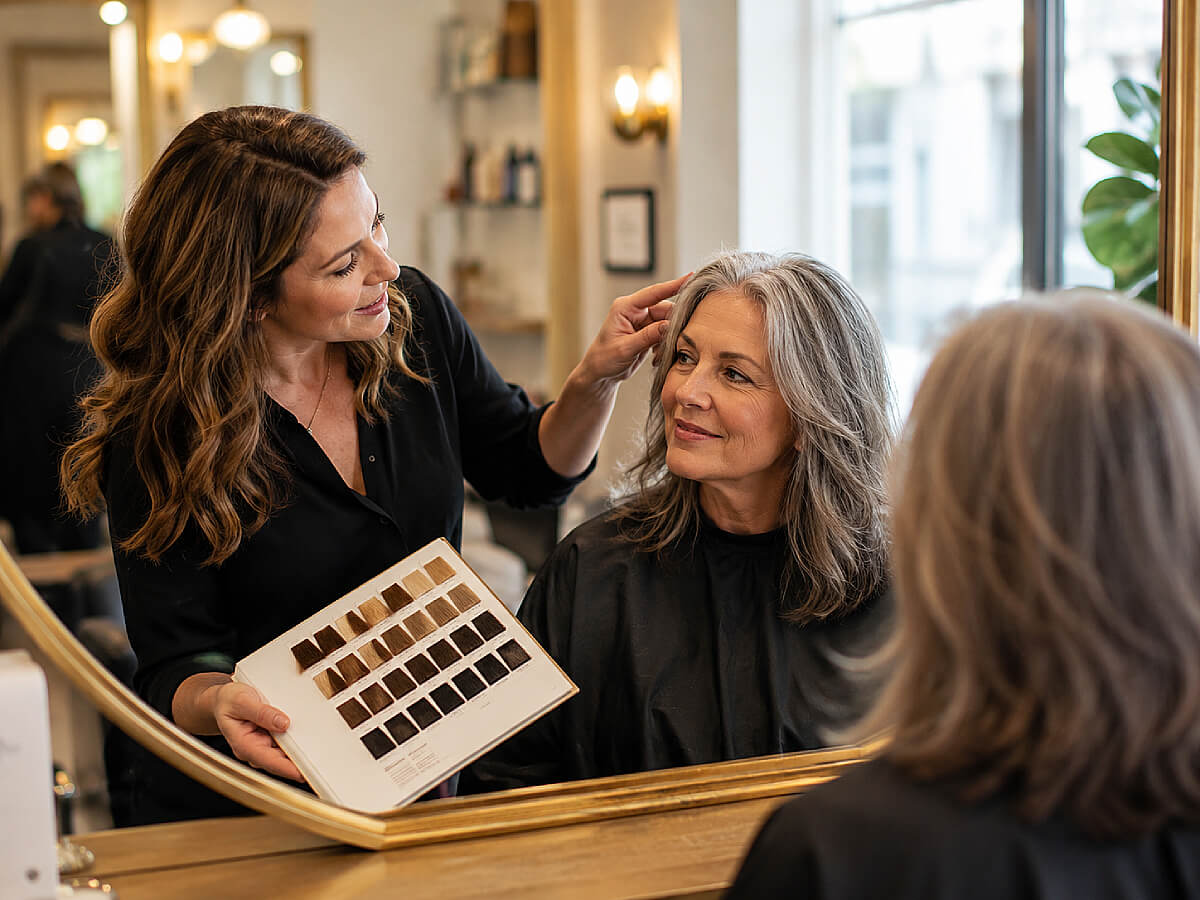
Is your hair color quietly aging you? An experienced hairstylist breaks down 10 common color mistakes that age women over 40, plus honest advice on what to do instead, with specific product recommendations and professional tips you can actually use.
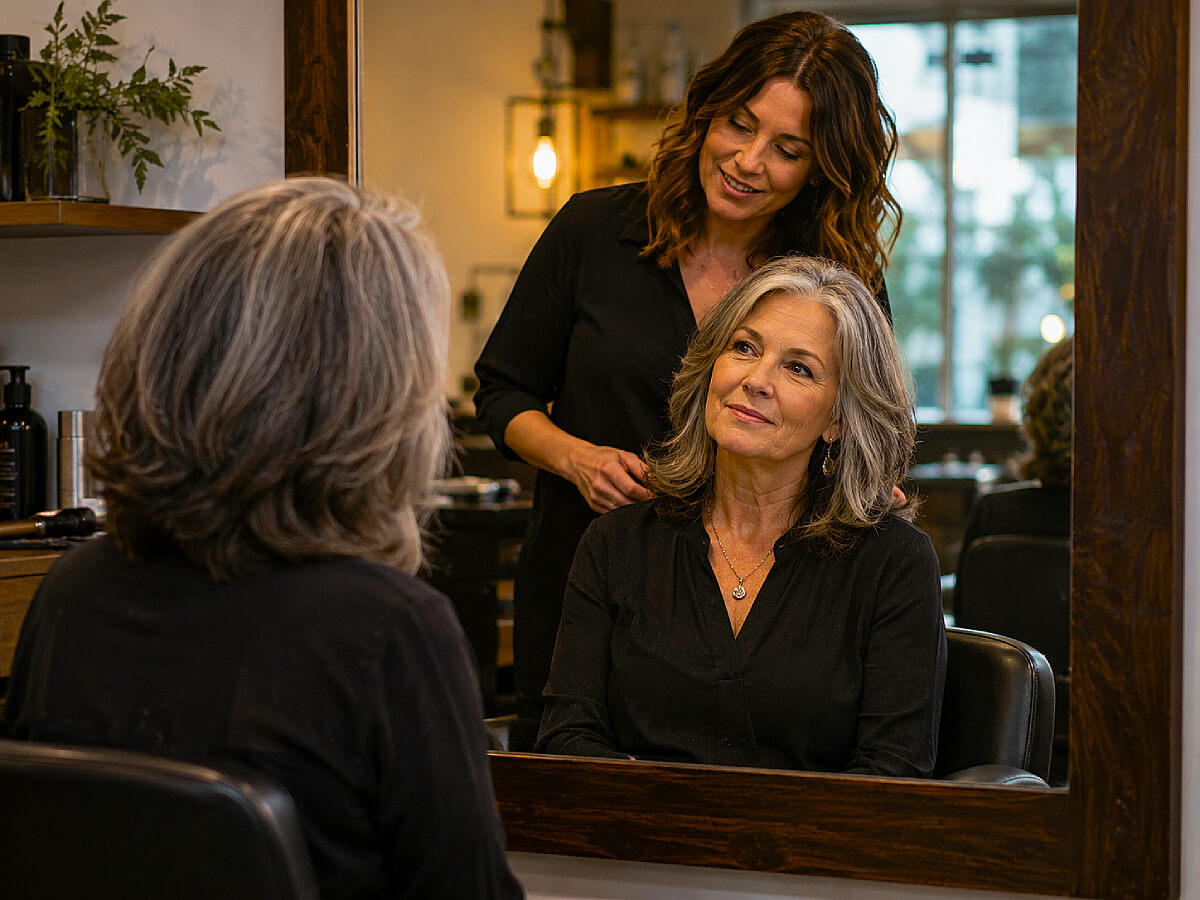
A hairstylist with 20+ years of experience reveals the real hair mistakes women over 50 make, including the one they're too embarrassed to bring up with their stylist, with honest advice, product recommendations, and practical tips for aging hair.
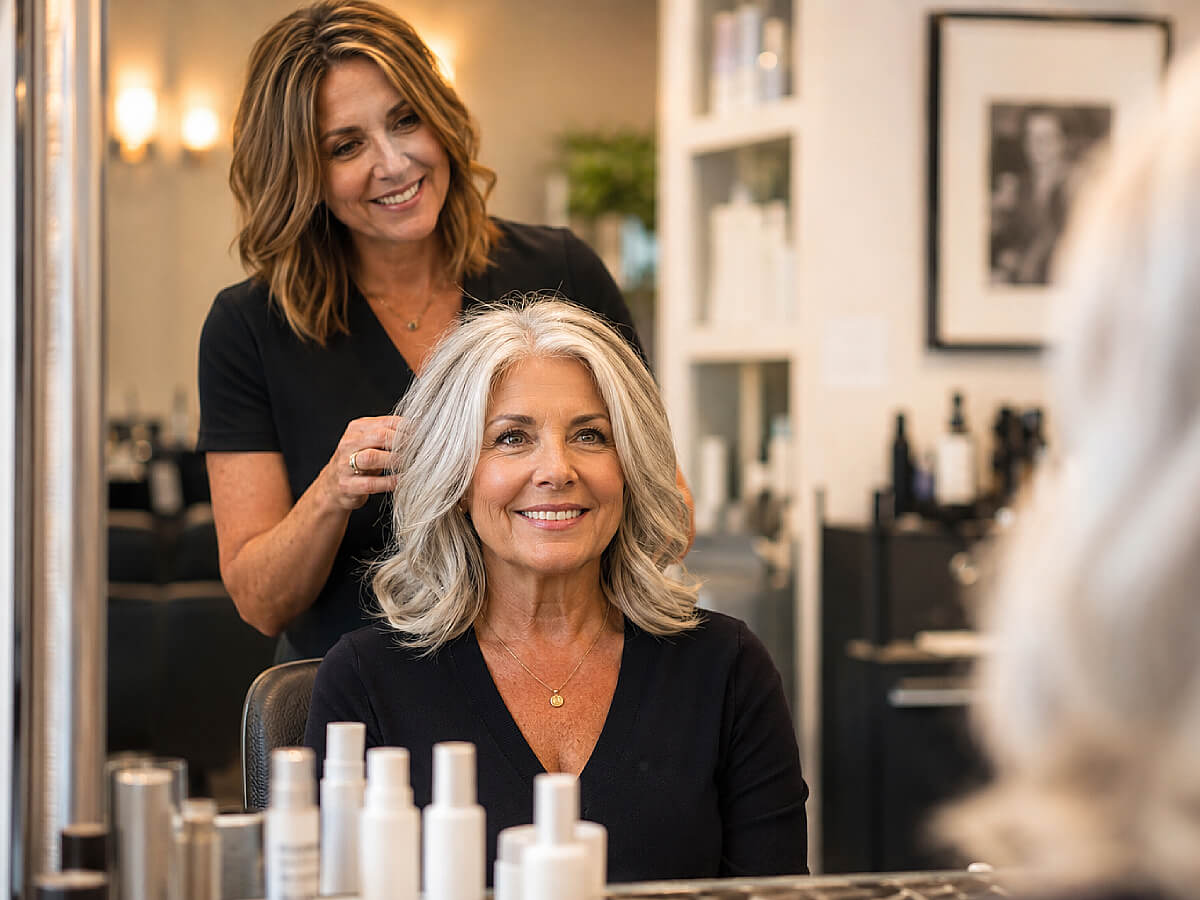
Thinking about going gray? A veteran hairstylist shares 8 honest truths about the gray hair transition that nobody talks about, from product recommendations to what the grow-out really looks like.
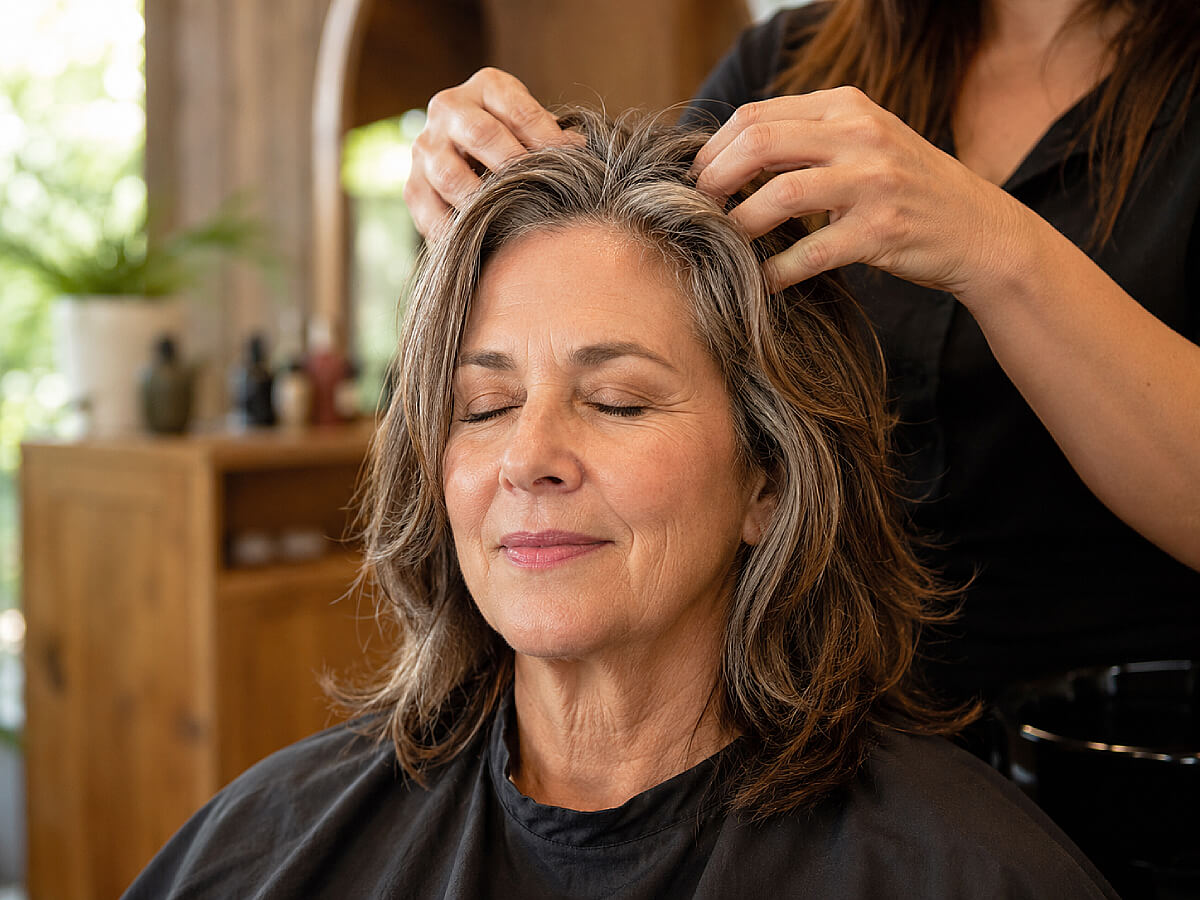
If your scalp is suddenly sore, tender, or painful to brush, you're not imagining it. A hairstylist with 20+ years of experience breaks down 8 real reasons your scalp might be hypersensitive, from hormonal changes and product buildup to nerve sensitization, with honest product recommendations and advice for women over 50.
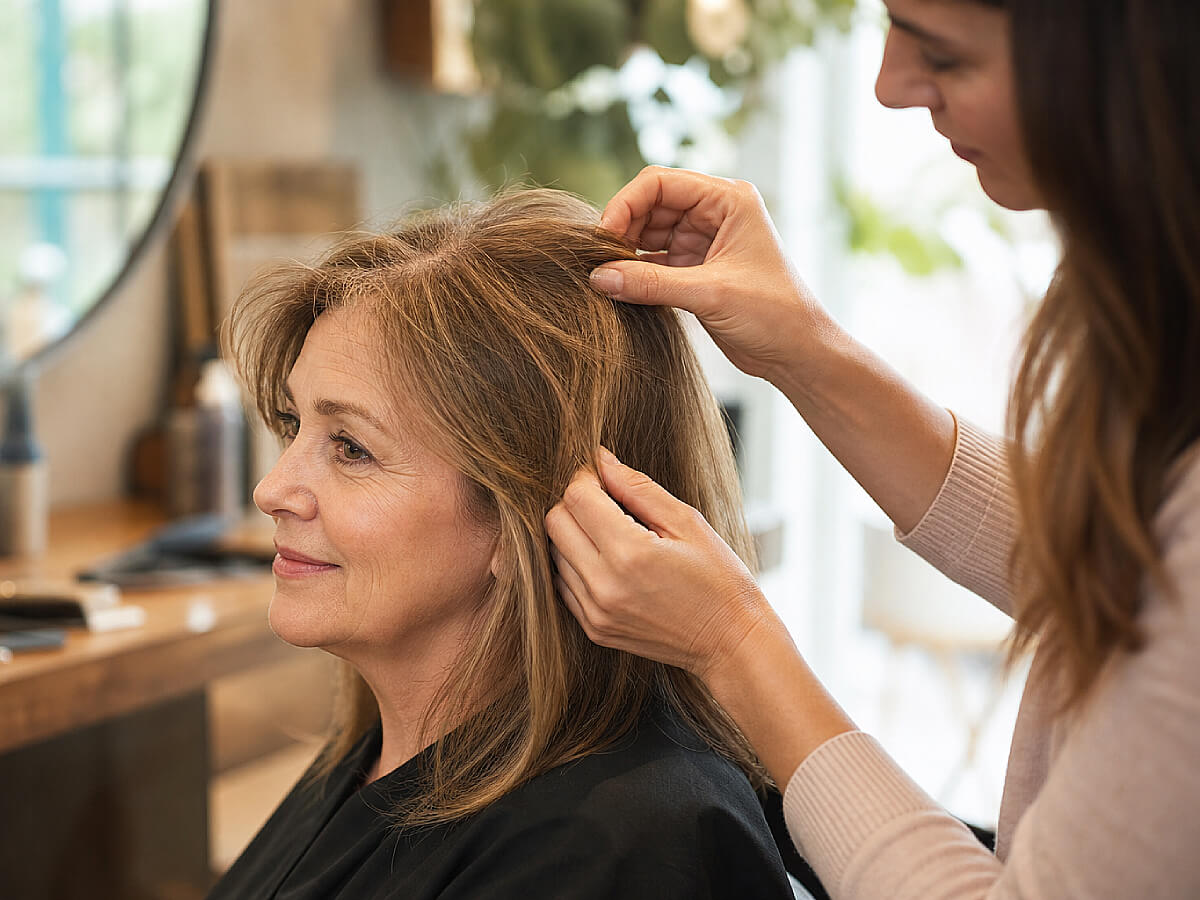
If your hair is suddenly thinner after 50, here are 6 specific things to check first, from thyroid and ferritin levels to styling habits that may be making it worse. A hairstylist's honest, experience-based guide.
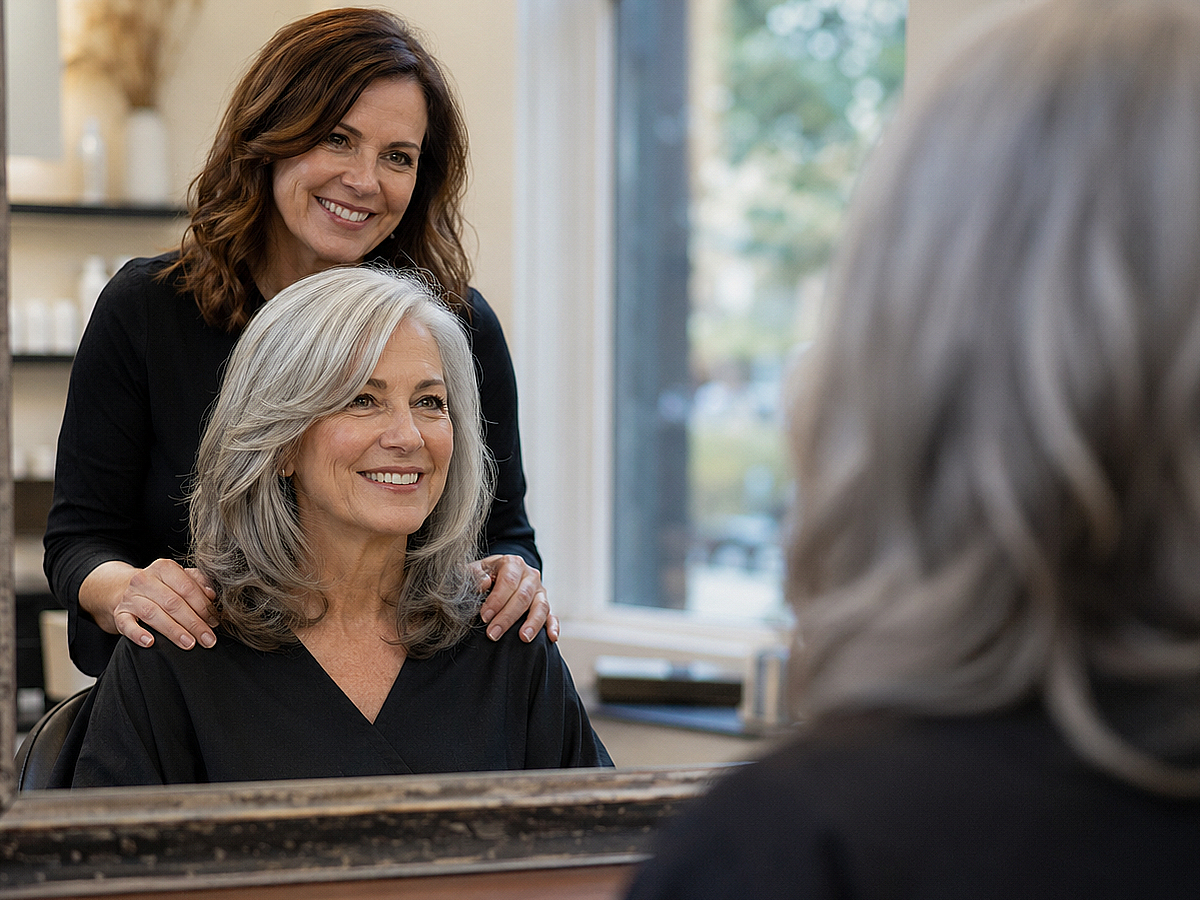
If you're over 50 and holding onto old hair habits, a professional stylist breaks down the ones worth dropping, from over-washing and wrong products to the mindset that does the most damage of all.
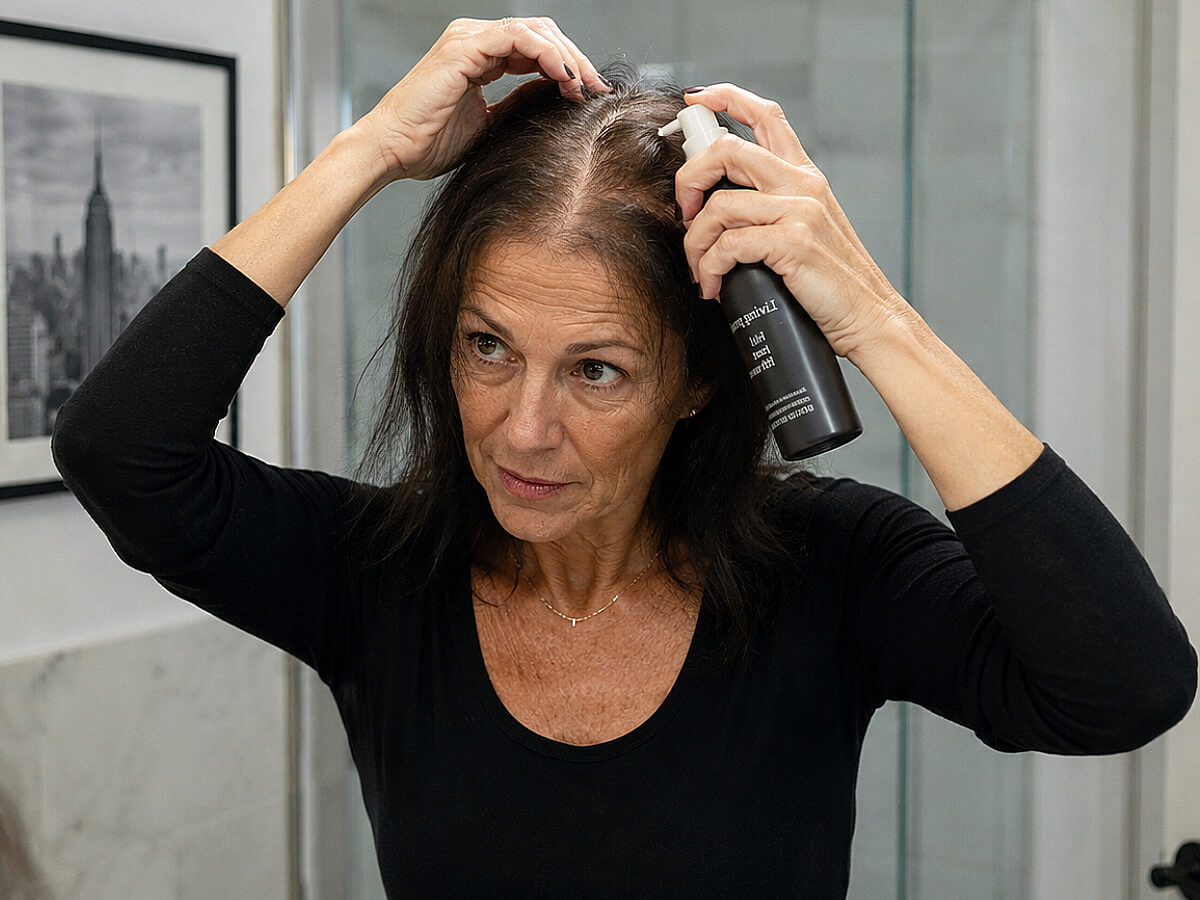
If your hair feels limp lately, you’ll learn why fullness-boosting formulas stop helping after 50 and which options leave your strands softer and fuller.
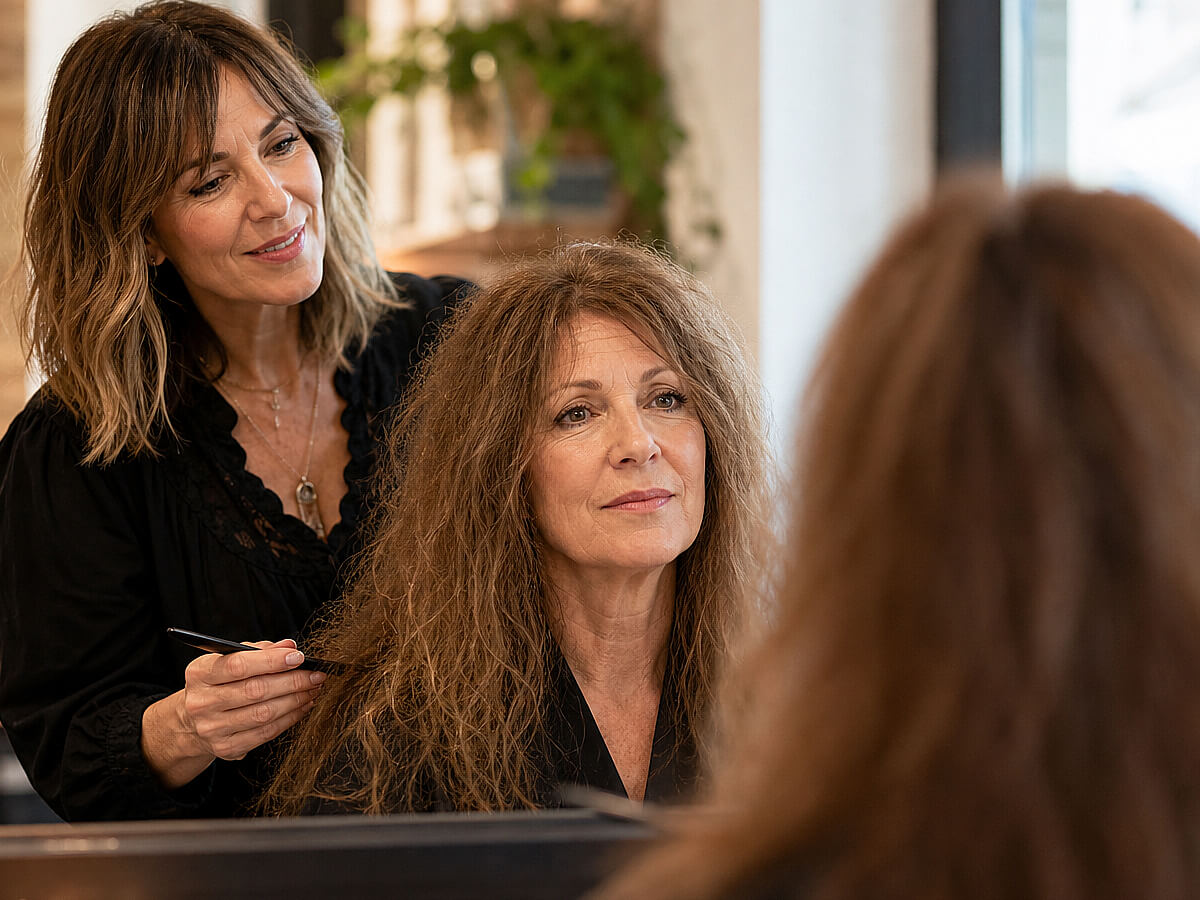
Six things women with heat-damaged hair wish they'd done differently, from a stylist who's seen it all. Real talk about heat tools, protein treatments, clarifying shampoos, and what actually helps damaged hair recover.
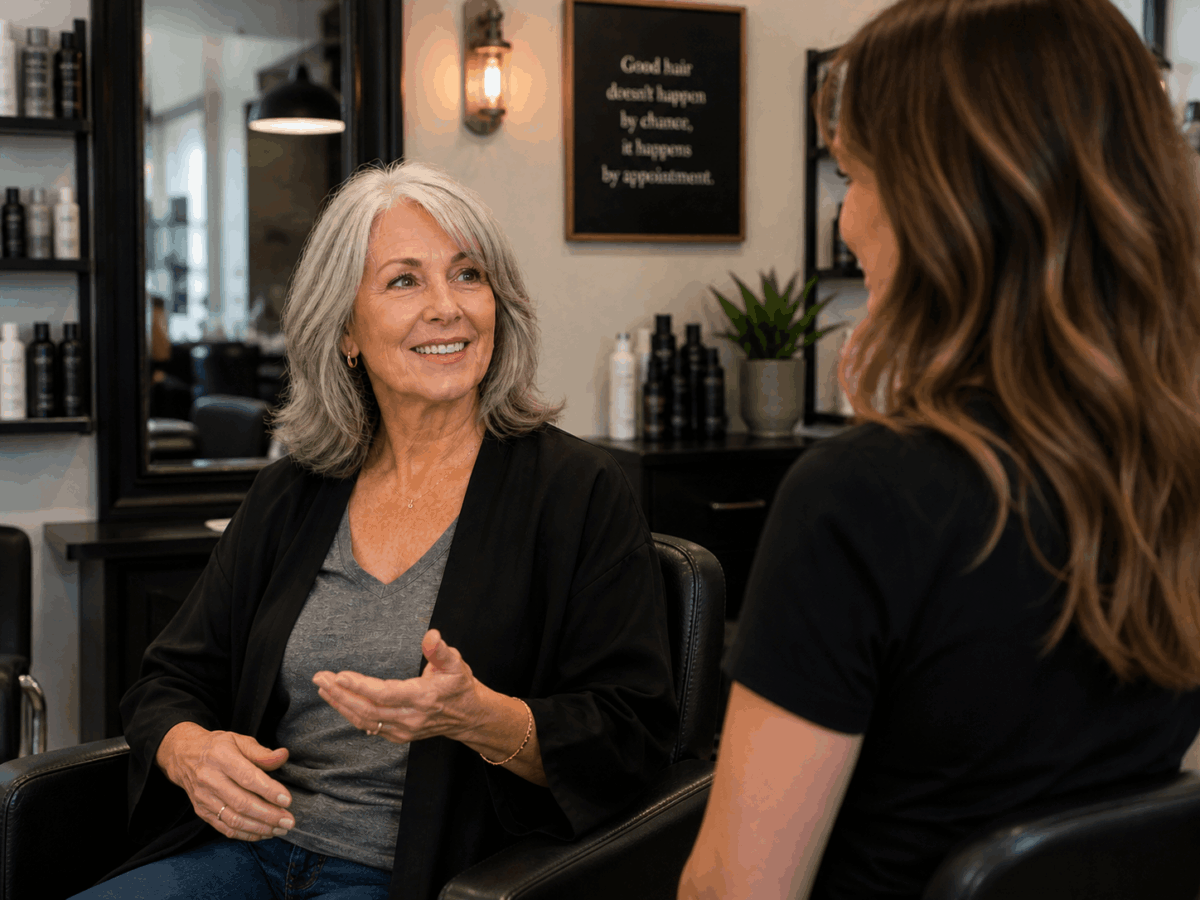
A hairstylist reveals what your colorist won't tell you about going gray after 50, from the cuts that flatter to the products that keep silver hair looking expensive instead of tired.
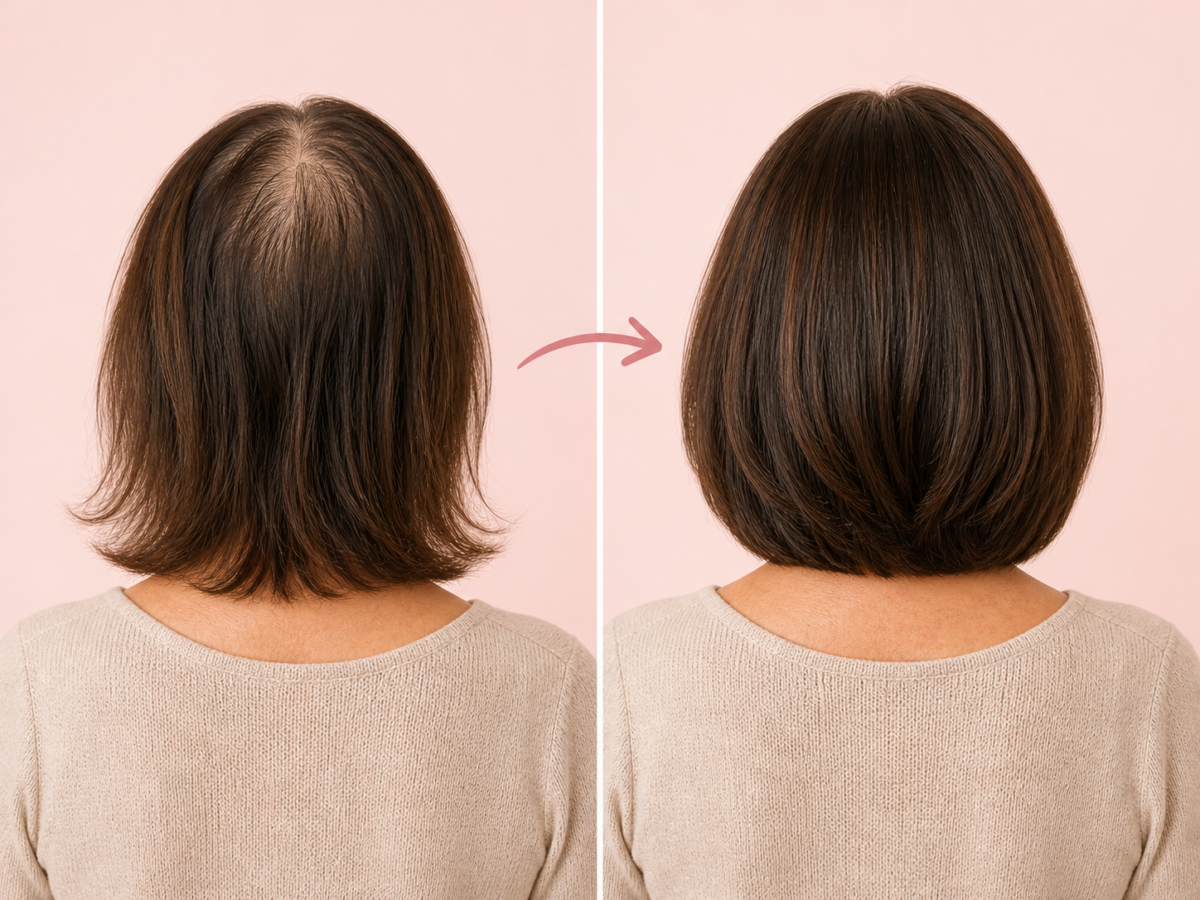
I tested a range of hair growth products to find the ones that actually support longer, healthier hair rather than just making big claims.
A veteran hairstylist breaks down the 5 most common hair mistakes that age women over 50, plus exactly how to fix each one with the right cut, color, and products.
Looking for better hair care items to lift your look? You’ll love these tried-and-true picks women in their 60s swear by for added volume and a nice little confidence boost.

Discover the 11 signs a man truly loves your hair and makeup efforts. From unexpected compliments to practical support, learn how men show appreciation for your beauty routine. Expert relationship advice for women who want to feel seen and valued by their partners.
“I started noticing my hair looked thinner and felt completely different after I went through menopause. My hairdresser always says everything looks great, but I can tell she’s holding back. What is she really seeing? And what can I actually do about it?” — Deborah M., Nashville, Tennessee Oh, Deborah. I hear you, and I […]
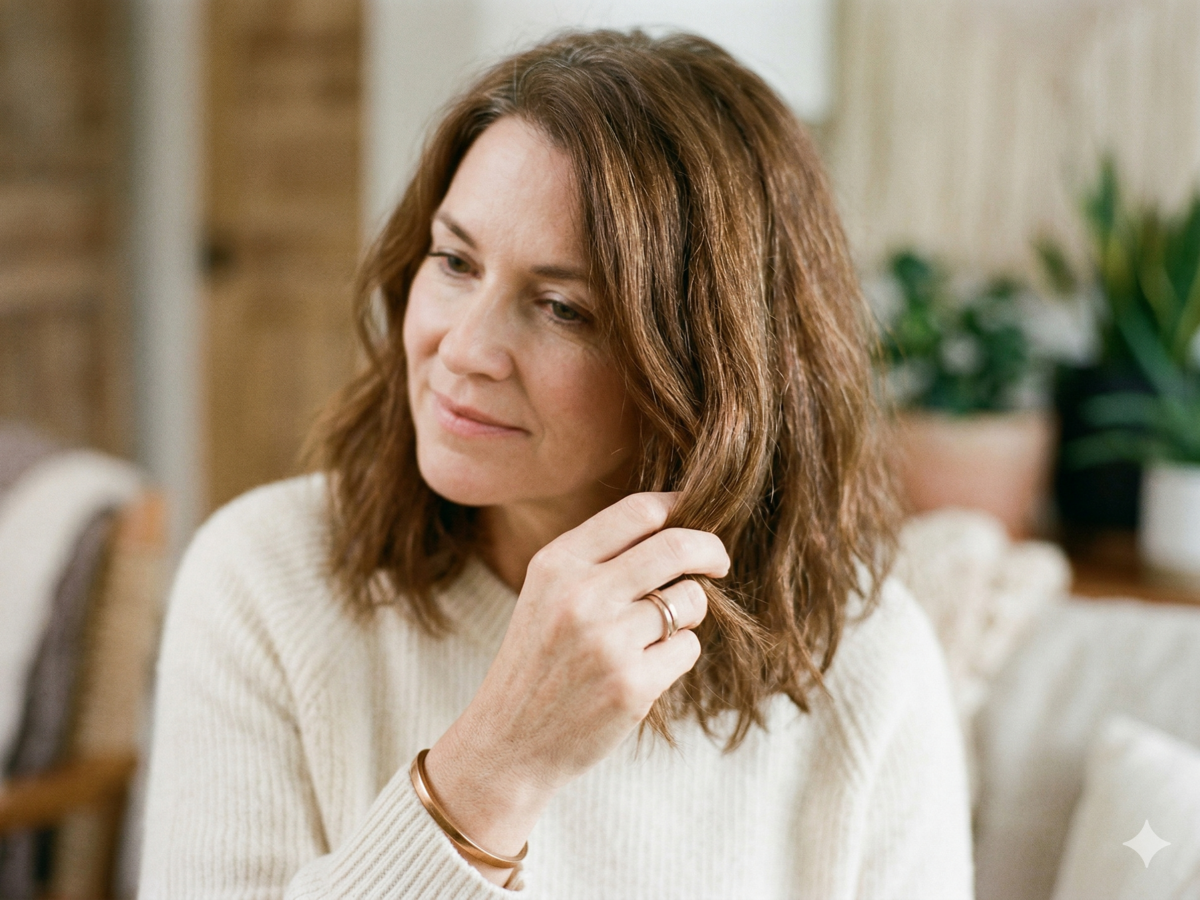
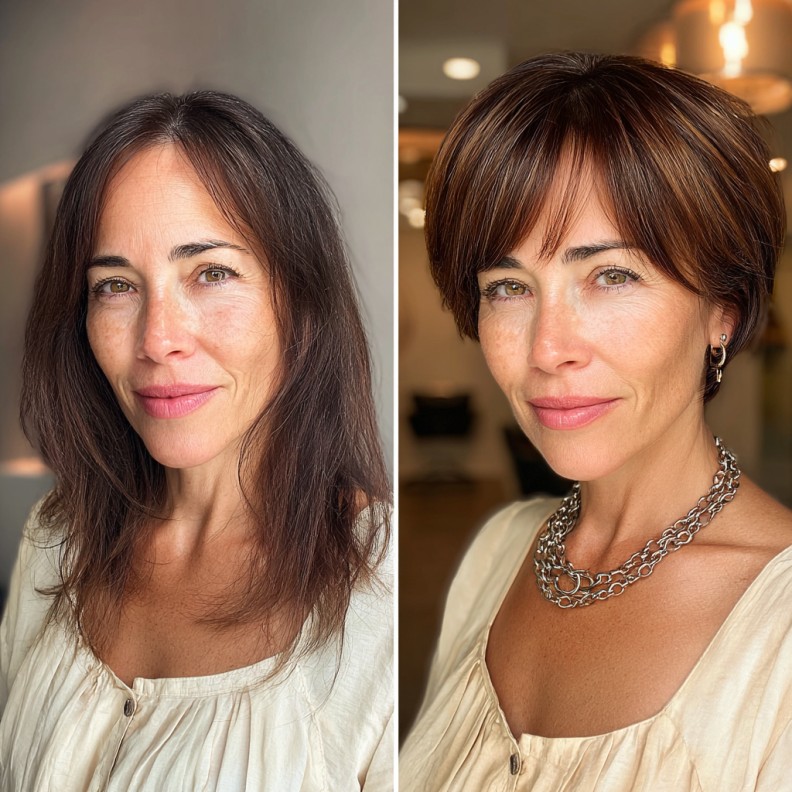

Women in their 60s with beautiful hair share 9 habits that keep their hair thick, shiny, and healthy. Discover the best hair care tips, products, and routines for gorgeous hair after 60.
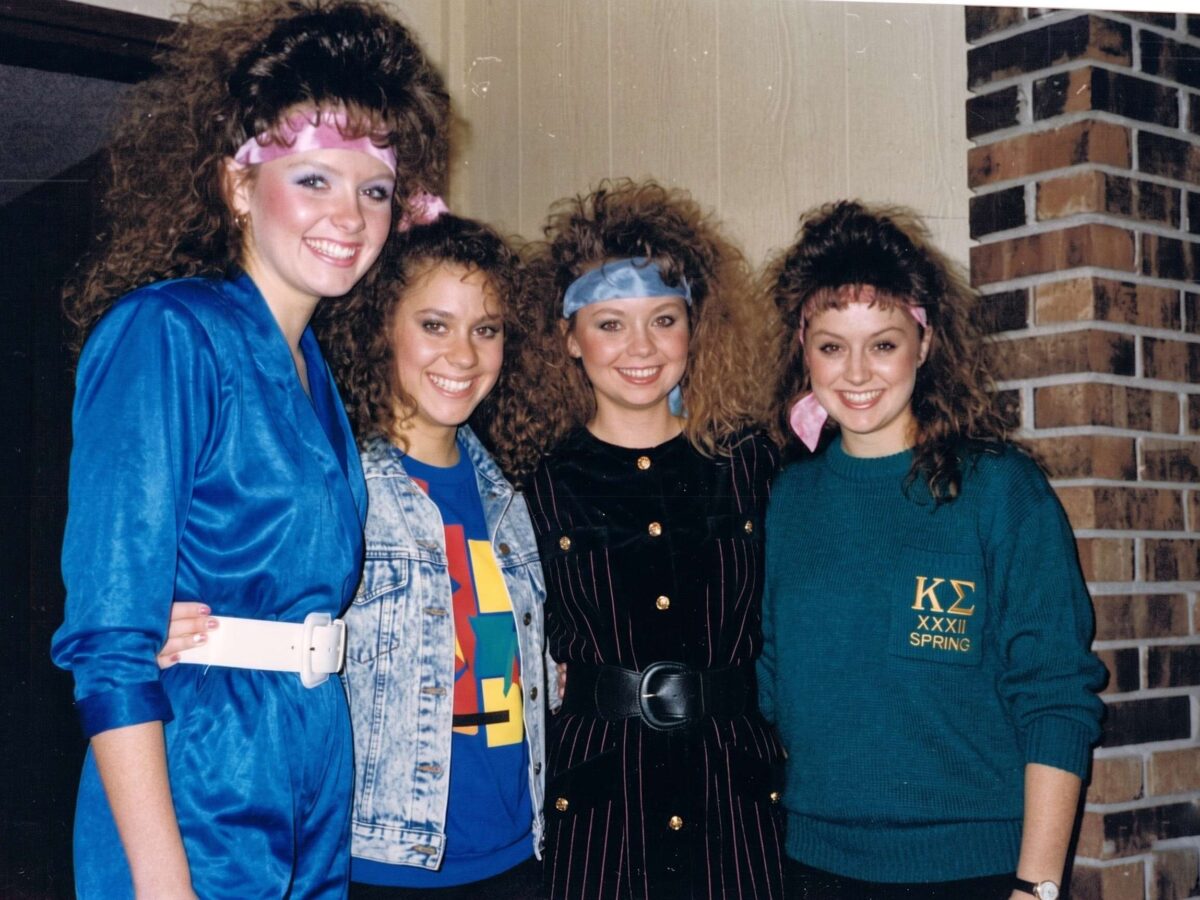
Relive the wildest '80s hair trends that would confuse anyone under 30. From crimping and perms to sky-high bangs and Aqua Net overload, discover what we did, why we loved it, and modern alternatives for volume and style after 50.
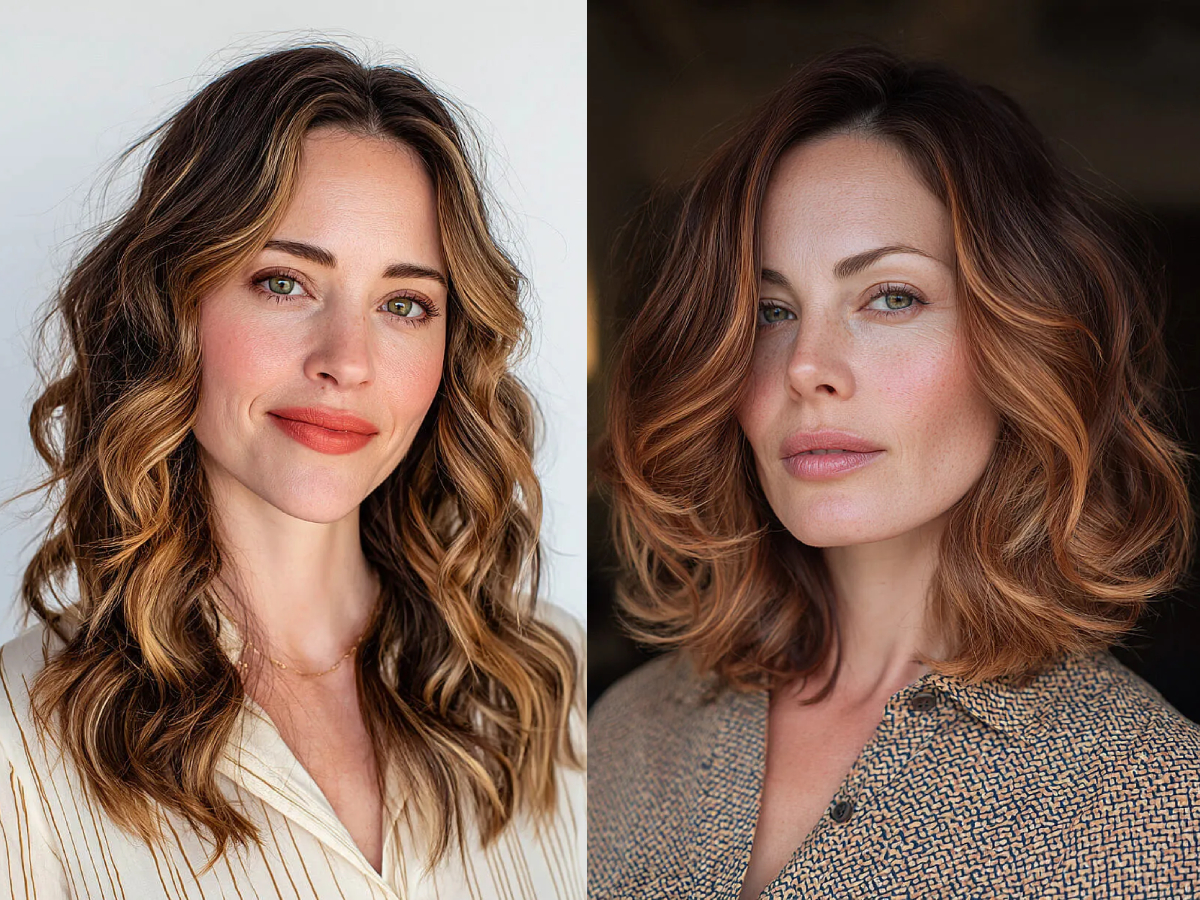
Considering balayage highlights? Here are 10 things no one tells you before your first appointment, from gray blending and maintenance to finding the right colorist.

Is your hairstylist cutting your hair wrong for your face shape? Discover 9 red flags that your haircut isn't flattering your features, plus expert tips on finding the right stylist and the best cuts for every face shape after 50.
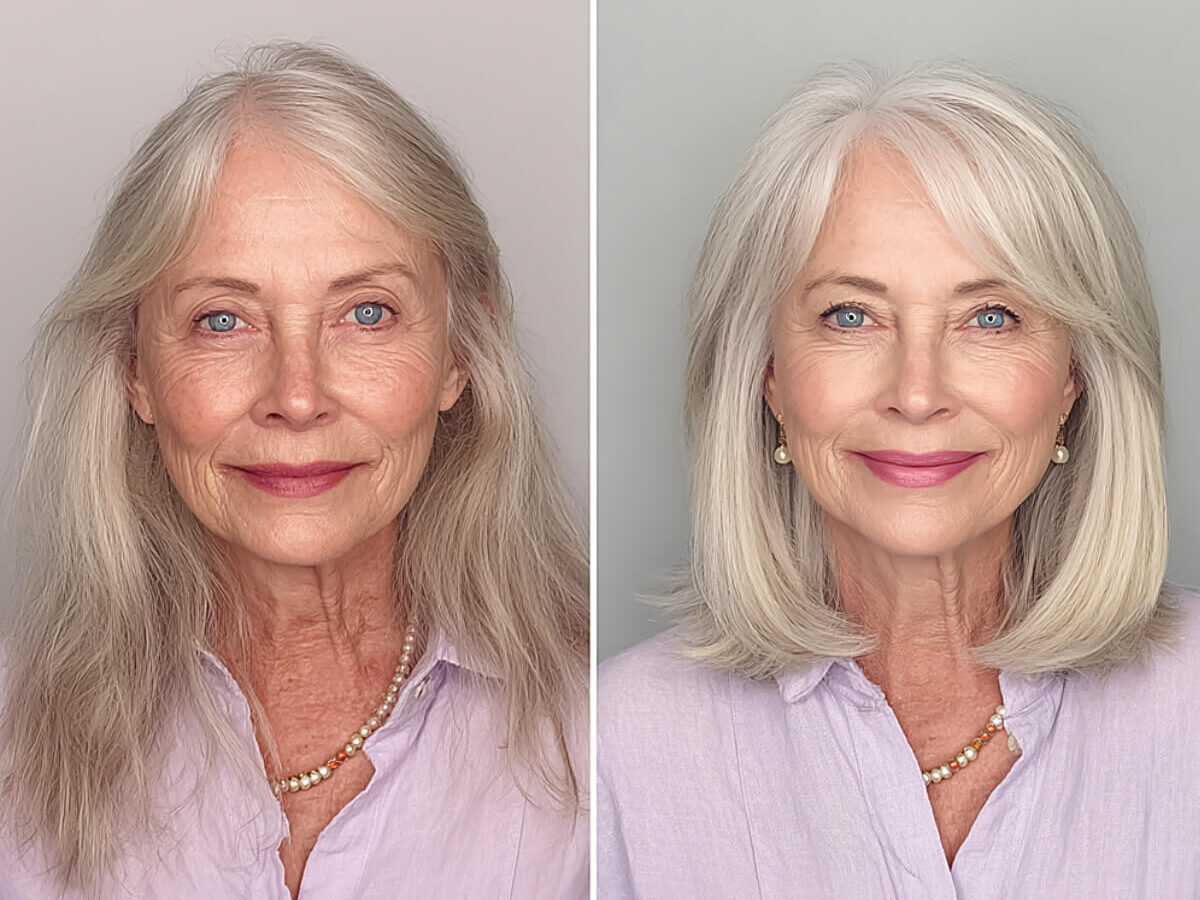
Discover 10 common hair and makeup mistakes that add years to your appearance. Learn expert tips to look younger with simple changes to your beauty routine, from foundation choices to hair color and brow care.

Discover 11 simple hair habits that men find instantly attractive. From the effortless ear tuck to embracing your natural texture, learn the easy, everyday behaviors that create magnetic appeal without expensive treatments or complicated styling.

Discover the 10 hair fears women over 50 face that younger women don't understand yet. From thinning and gray hair anxiety to texture changes and professional concerns, real women share their experiences and solutions for navigating hair changes after 50.

Discover what other women really notice about your hair but never say. From root regrowth to frizz, learn the silent judgments and how to fix them.

Thinking about a pixie cut? Here's what no one tells you first—from the awkward grow-out phase to the surprise expenses and why you might love it more than expected.


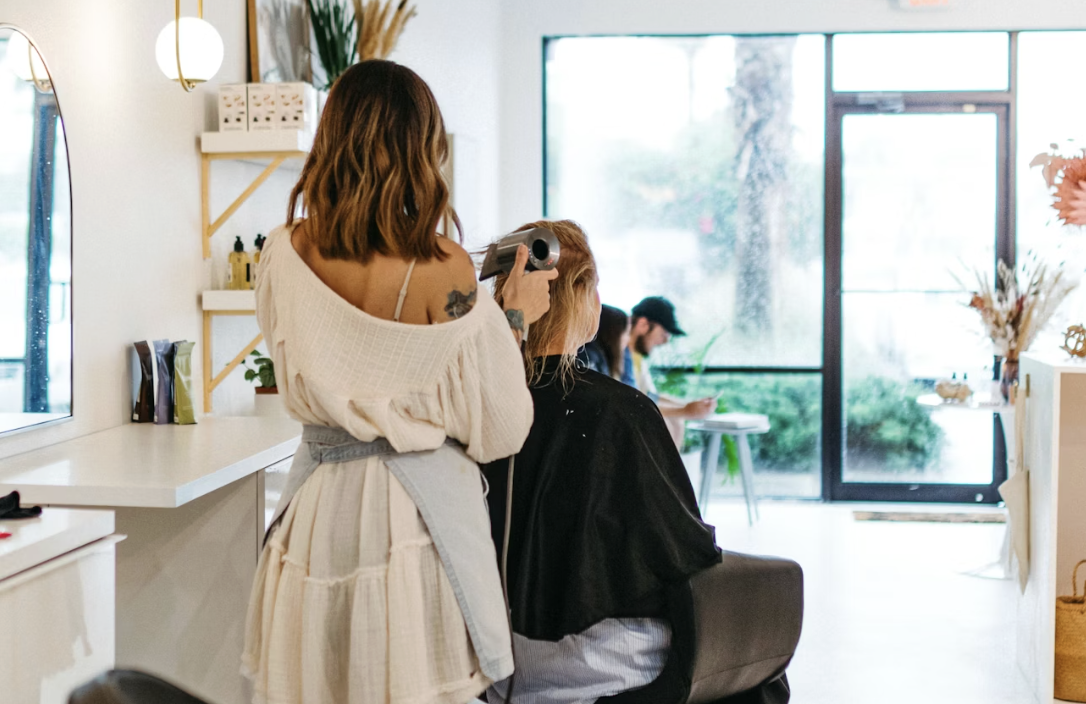
Ever wonder what your hairstylist is really thinking?


You’ll notice more than a few changes as your hair ages — from thinner strands to slower growth and less natural shine — and that can feel surprising or even frustrating. This article pinpoints nine things you probably miss about your younger hair and shows why those changes happen so you can make smarter choices […]

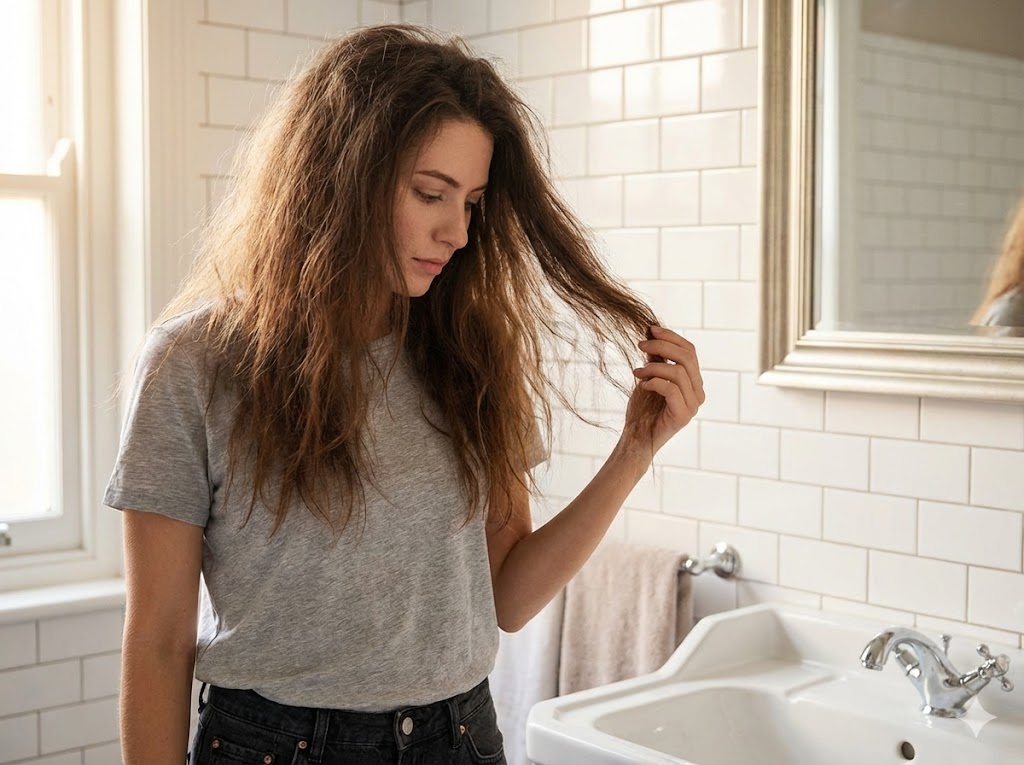

You might wake up one morning and notice more silver than you expected, and that single moment can start a bigger conversation about identity, beauty, and care. You’ll discover that going gray in your 30s isn’t just about pigment—it reshapes how you think about maintenance, health, and confidence. This article walks through the real, practical […]
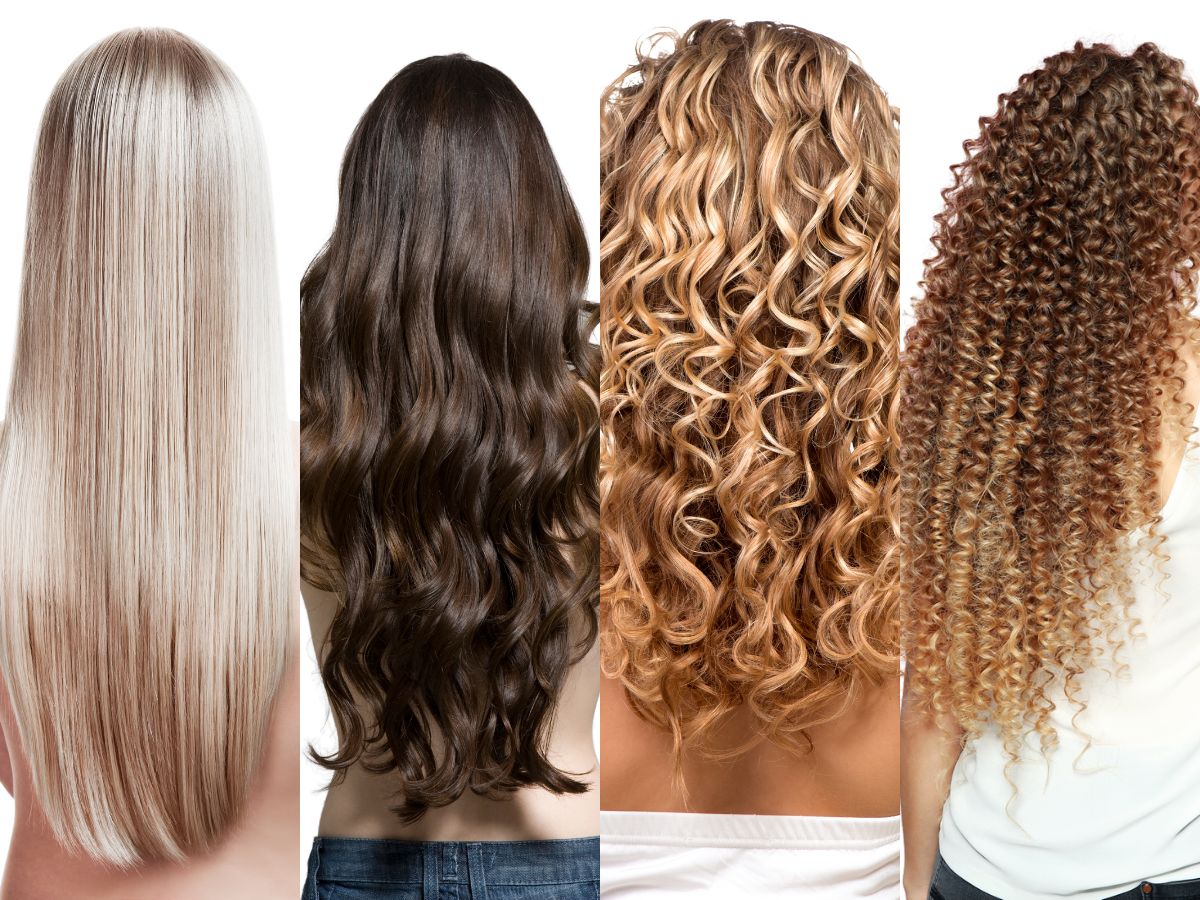
Do you know which type of hair you have? If not, read our guide to help you understand more! You won't be disappointed.
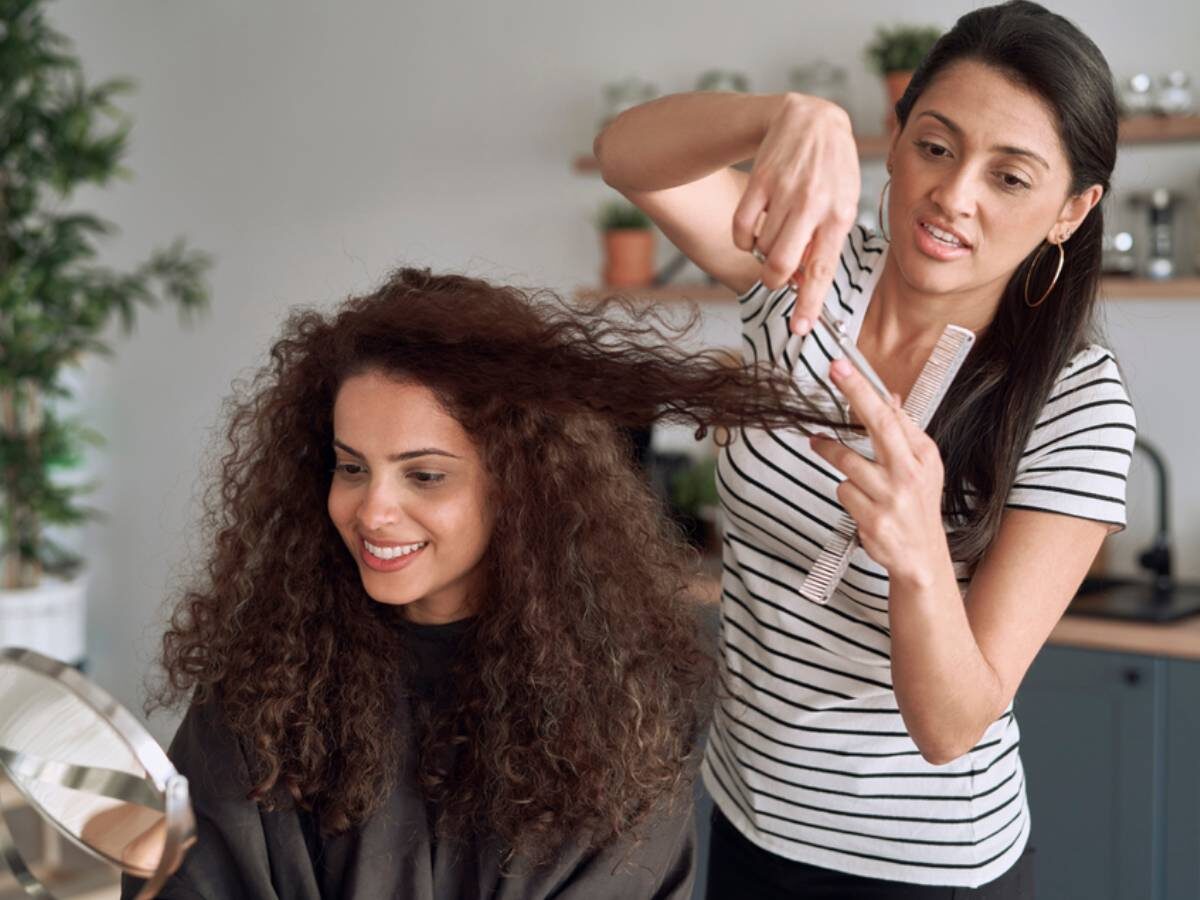
Curly-haired ladies, you must get a DevaCut to keep the bounce and shape in your tresses!
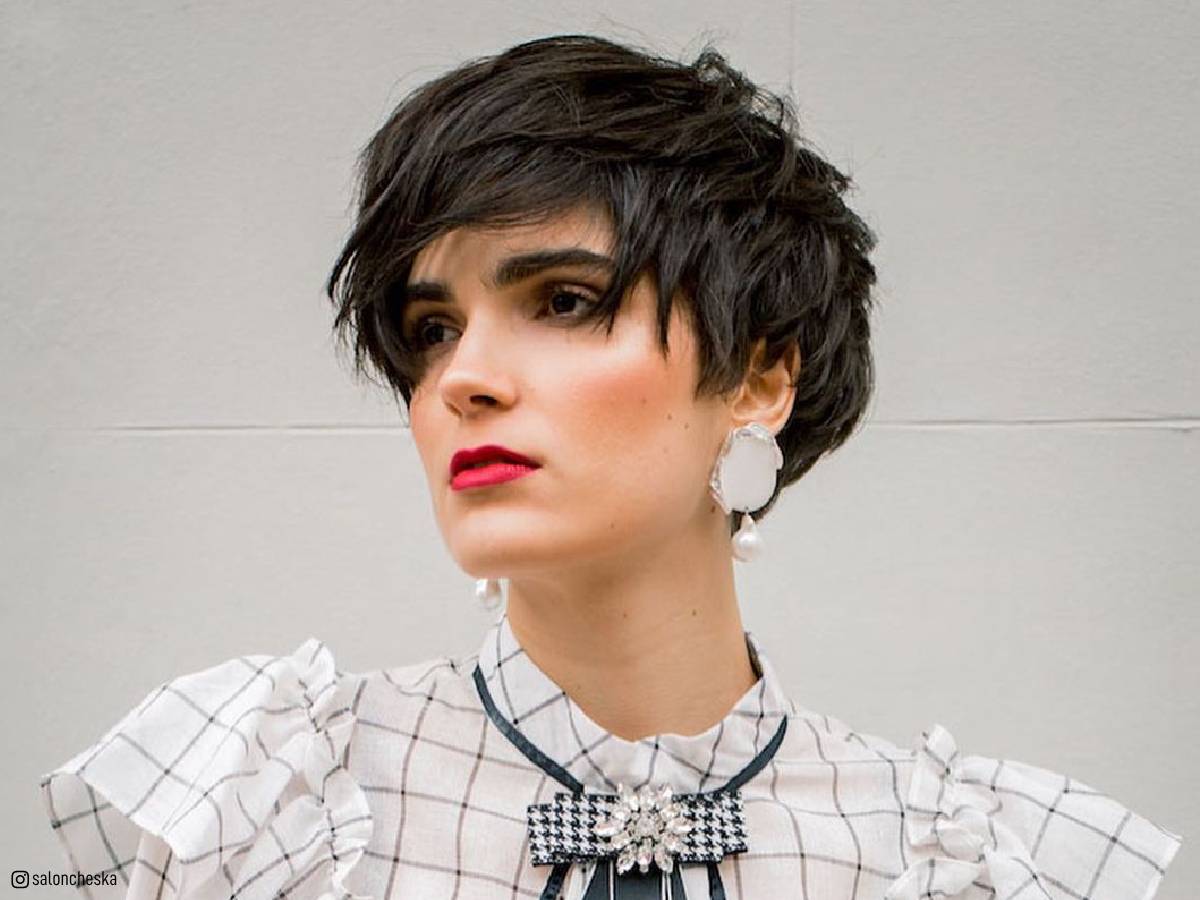
Unlock your boldest look yet with our ultimate pixie cut guide - Discover the secret to finding your perfect daring 'do!
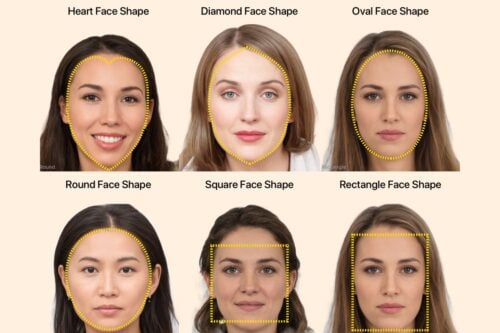
Learn how to determine your face shape and which type of haircuts complement it.
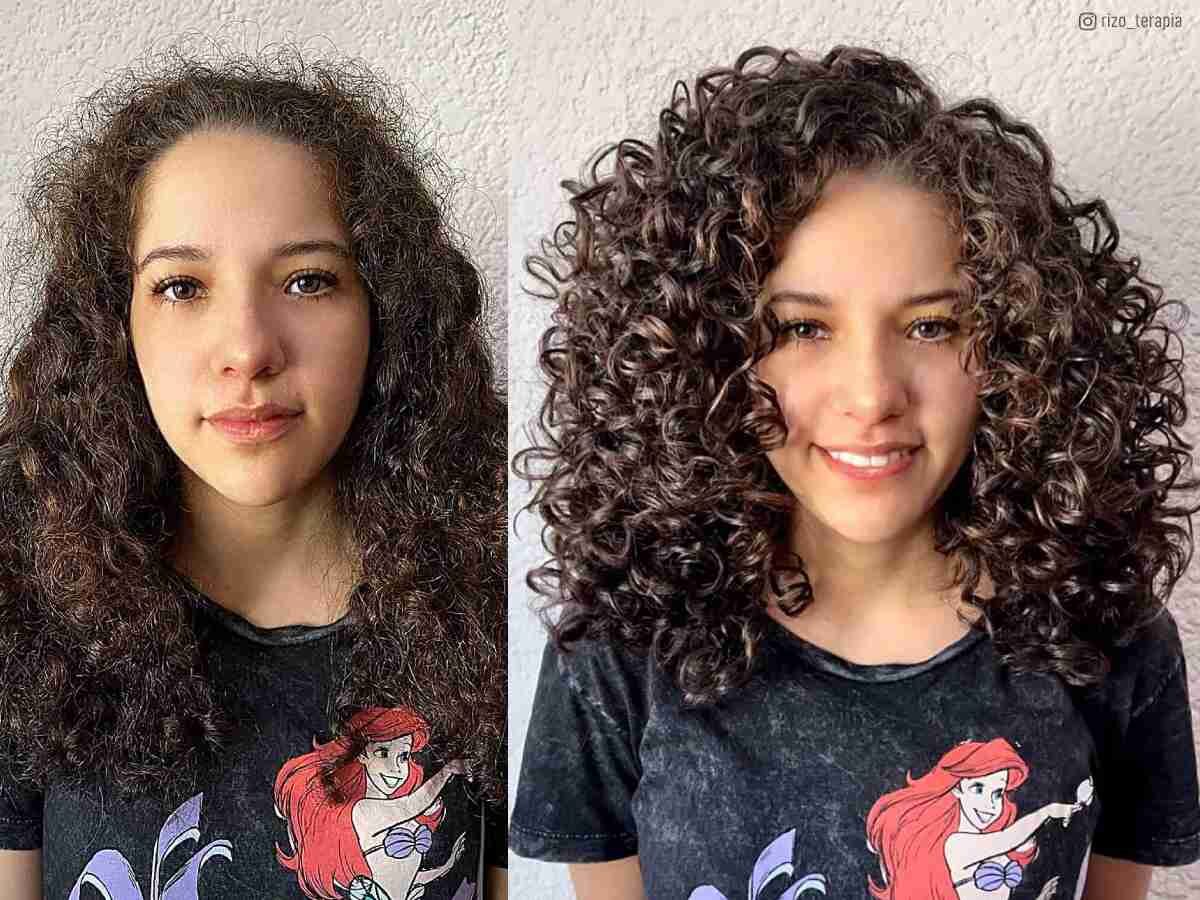
Ready to unleash your curly hair's full potential? Discover the magic of the Rezo Cut!
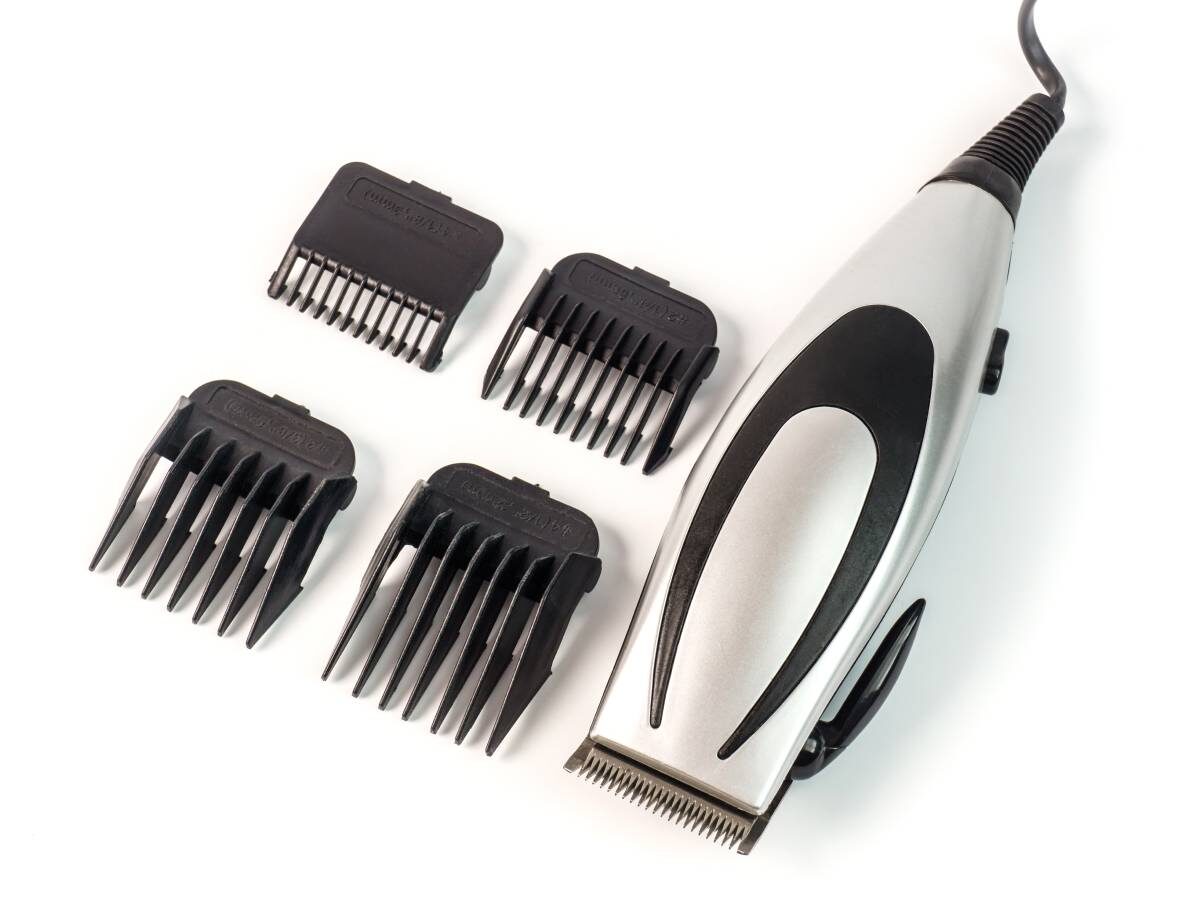
Unlock the mystery of perfect haircuts with our guide to haircut numbers and hair clipper sizes!
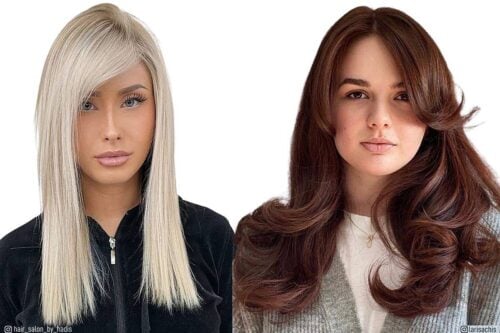
Thick and thin hair aren't just obviously different. Learn more about each hair type to ensure you know exactly how to style, train, etc. your hair.